
 PL
PL

The drought effects counteracting plan adopted in 2021 and the update currently under preparation differ in more than just the scope of analysis or the currency of the data. Between the first and second planning cycles, the Water Law changed, and with it the function of the document itself: it shifted from outlining a catalogue of potential interventions toward more operational planning for their implementation.
Tag Archives: water management
Aktualności
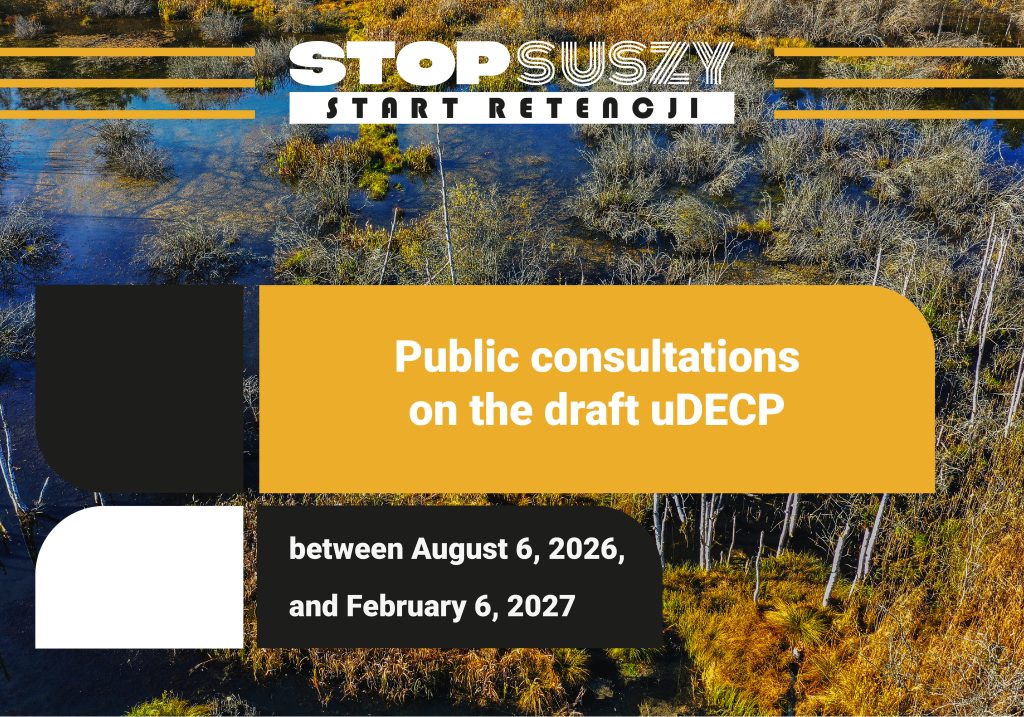
Public consultations on the draft update of the drought effects counteracting plan (uDECP)
19
Aug
Aug
Pursuant to Article 183 of the Water Law Act, counteracting the effects of drought is the responsibility of central and local government authorities and Polish Waters.
Counteracting the effects of drought is carried out in accordance with the drought effects counteracting plan (Article 184, paragraphs 1 and 2 of the Water Law Act).
The drought effects counteracting plan was adopted by Regulation of the Minister of Infrastructure dated July 15, 2021 (Journal of Laws of 2021, item 1615).
According to the Water Law Act, this document is subject to update at least every six years. The draft drought effects counteracting plan and its updates, in accordance with Article 185, paragraphs 1, 8, and 9, are prepared by Polish Waters.
Pursuant to Article 39, paragraph 1 of 3 October 2008 on providing information on the environment and its protection, public participation in environmental protection and environmental impact assessments (Journal of Laws of 2026, item 670) The Minister of Infrastructure hereby announces the commencement of public consultations on the draft update of the drought effects counteracting plan (uDECP).
17
Jul
Jul
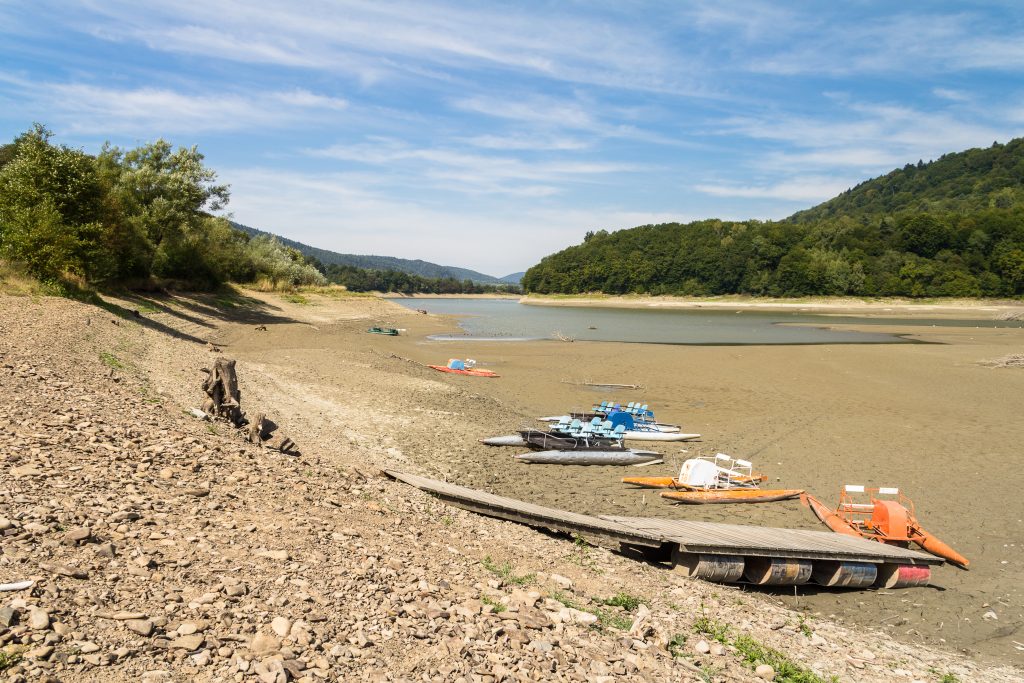
The long-awaited summer has arrived – sun, vacations, and high temperatures. After a long winter that surprised us with more snow and lower temperatures than in recent years, we can finally enjoy some fresh air, drink iced lemonade, and put on short sleeves. However, summer isn’t just about sunshine, vacations, and relaxation. It’s also the period when drought becomes more pronounced and noticeable, and can affect not only agriculture and the prices of fruit and vegetables . Drought can also affect our holiday plans.
Aktualności
“Stop Drought! Start Retention!” Is Poland at Risk of Desertification? Experts Will Respond in Gdańsk
30
Jun
Jun
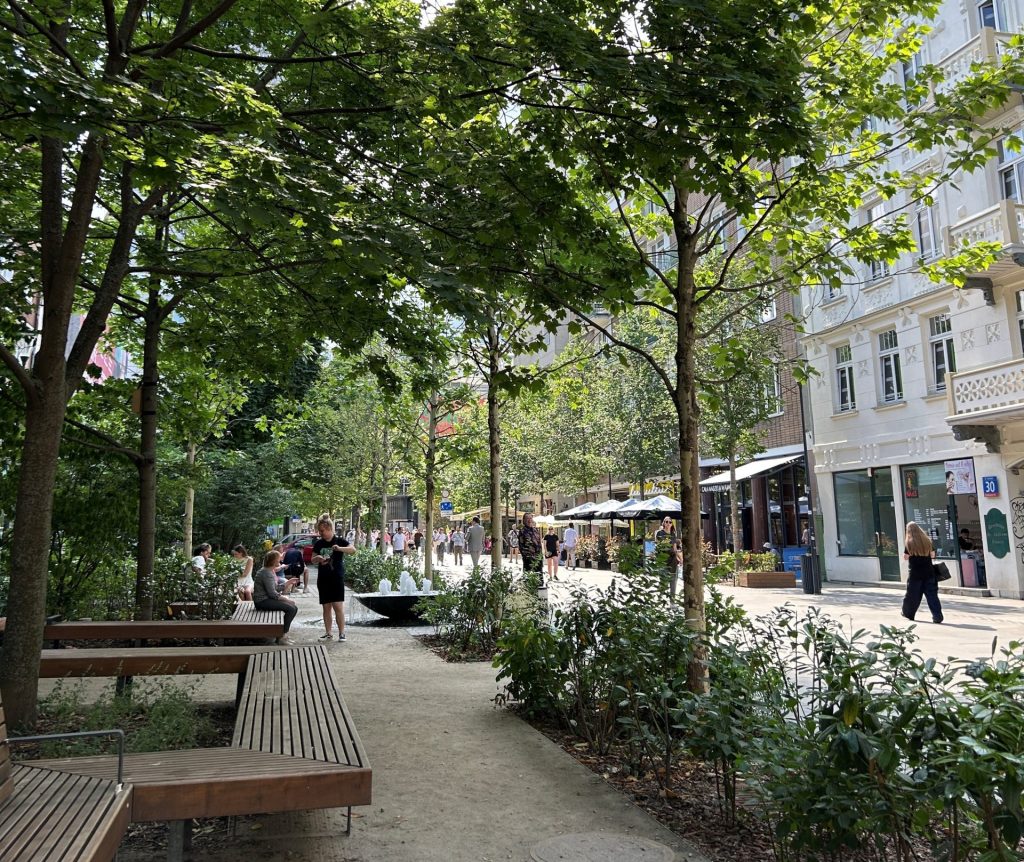
Poland has entered another growing season with a water deficit. Dry, cracked soil and drying rivers are no longer regional anomalies, but a reality across large swaths of the country. The answer to these problems lies in the actions outlined in the currently updated Drought Effects Counteracting Plan. On June 17th – during the World Day to Combat Desertification and Drought – a conference will be held in Gdańsk under the slogan “Stop Drought! Start Retention! – Time to Act!”. Experts and practitioners will discuss real and necessary solutions.
29
Jun
Jun
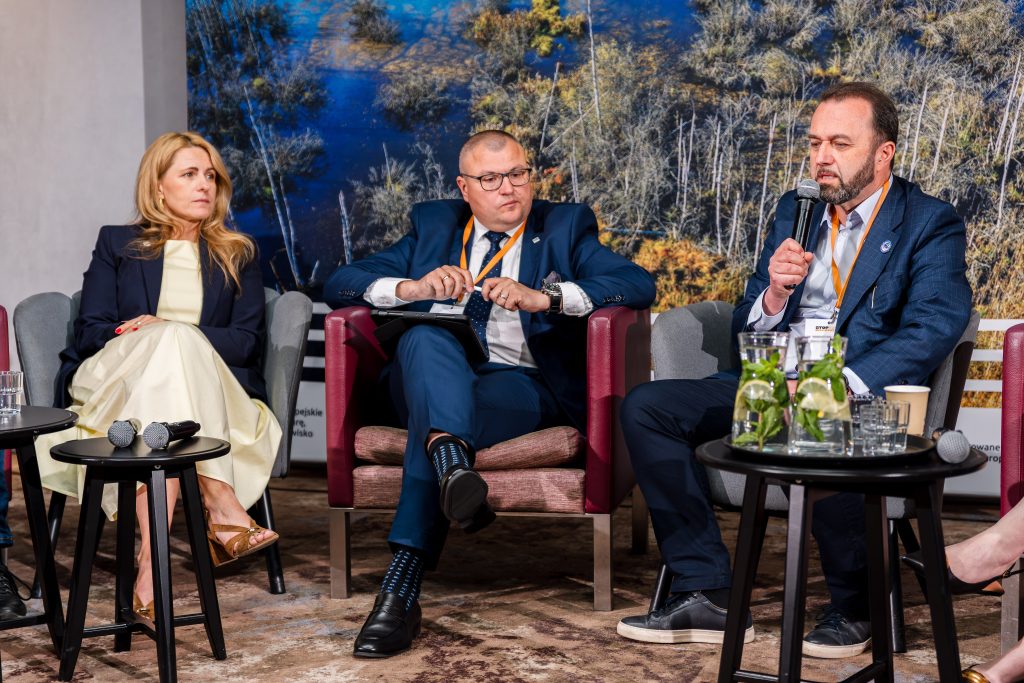
Experts, local government officials, and scientists analyzed mechanisms for combating drought during the conference “Stop Drought! Start Retention! – Time to Action!” held on June 17 in Gdańsk. The discussion focused on the proposed actions in the draft update of the Drought Effects Counteracting Plan (uDECP) for urban areas. Drawing on the experiences of Gdańsk, Łódź, and Poznań, the need for systemic legislative and educational changes was emphasized, as well as the importance of wetland protection and the role of comprehensive blue-green solutions in cities.
29
Jun
Jun
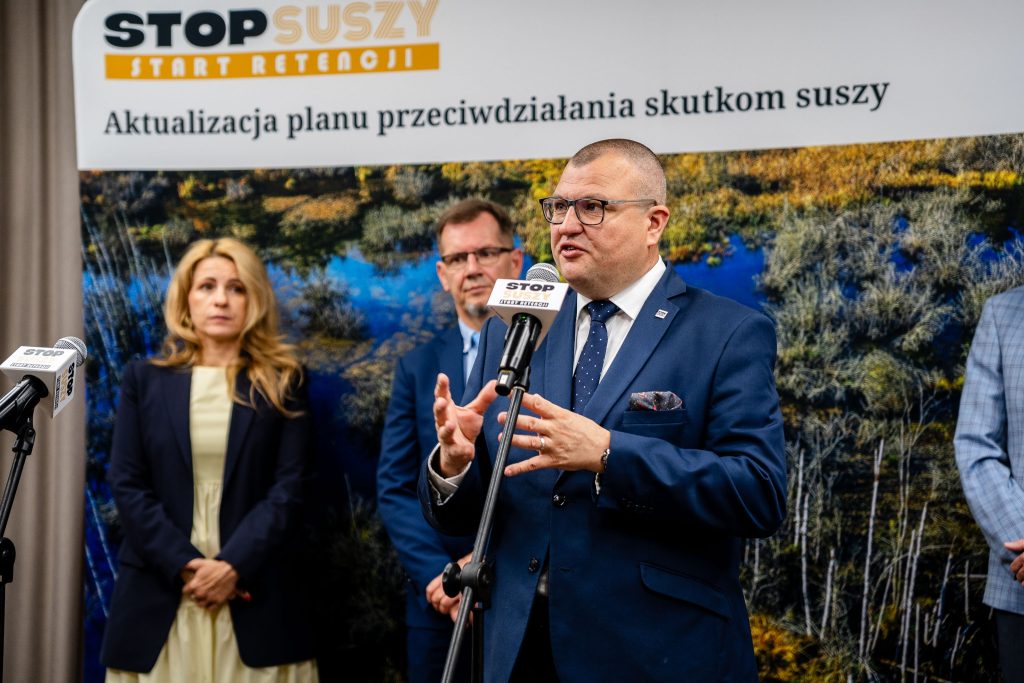
Over 450 experts and practitioners are debating in Gdańsk how to combat drought in the city. The meeting is taking place on the World Day to Combat Desertification and Drought. The choice of Tricity is not accidental – Gdańsk and Sopot are leaders in implementing blue-green infrastructure. The main topic of the conference “Stop Drought! Start Retention! – time for action!”, organized by Polish Waters, is the solutions proposed in the draft update of the Drought Effects Counteracting Plan.
25
May
May
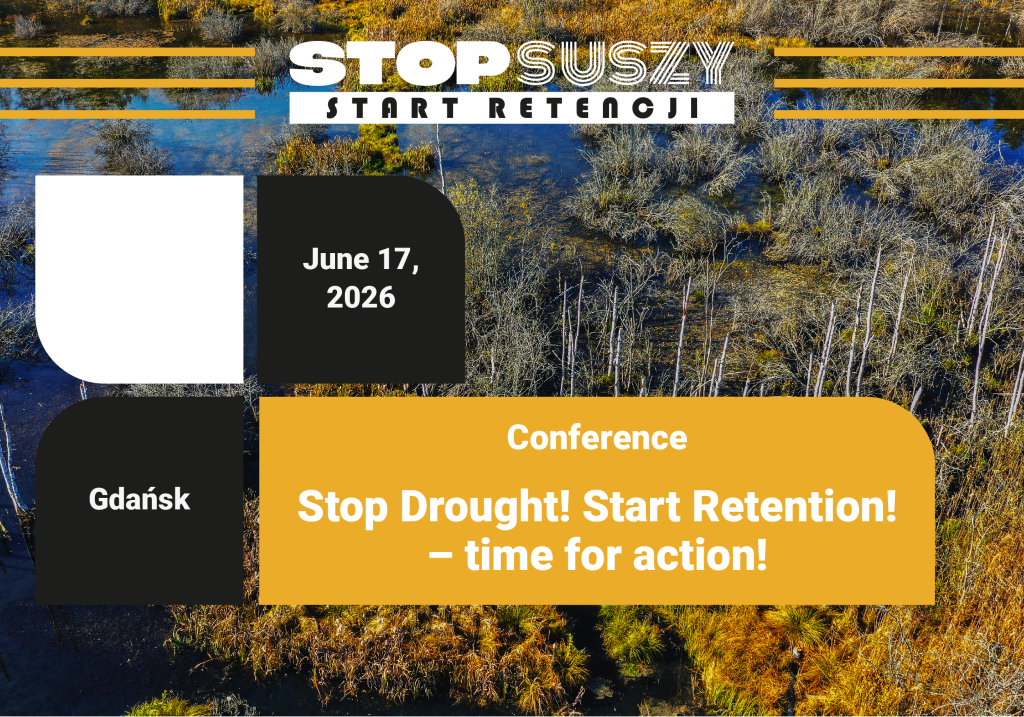
On June 17, we invite you to the third Stop Drought! Start Retention! conference, which will take place in Gdańsk. During the event organized by the Polish Waters National Water Holding, we will focus on the practical dimension of drought mitigation. In particular, we will discuss the MEASURES proposed in the draft update of the Drought Effects Mitigation Plan (aPPSS).

27
Apr
Apr
April 22nd marks International Earth Day. It’s a day that annually prompts reflection on the condition of the natural environment. This year’s theme, “Our Power, Our Planet,” resonates particularly strongly with one of today’s most serious challenges: the growing problem of drought and dwindling water resources. Access to water is no longer a given, and water itself is becoming a strategic asset whose availability requires conscious management. The theme, “Our Power, Our Planet,” reminds us that we are all responsible for our planet and that ordinary, everyday actions can counteract climate change, including the effects of drought.
13
Apr
Apr
Drought is one of the most serious environmental challenges we currently face in Poland and worldwide. Experts in hydrology, climatology, agriculture, and water management agree – the problem is growing and it is long-term. Increasingly frequent and prolonged periods without rainfall, rising temperatures, and climate change are leading to lower groundwater levels, drying up of rivers and lakes, and deteriorating conditions for agriculture and ecosystems.
21
Oct
Oct
We usually associate drought with summer – with parched lawns, wilting plants, and the need for frequent watering. However, we must remember that the problem of soil water deficiency affects all seasons. Although autumn is often perceived as a time of frequent rains and a respite from gardening, it is actually a crucial time to prepare the garden and farm for the coming season. Now is the time to take steps to better retain water, store it, and improve plant health in the coming months.
- 1
- 2