
 PL
PL

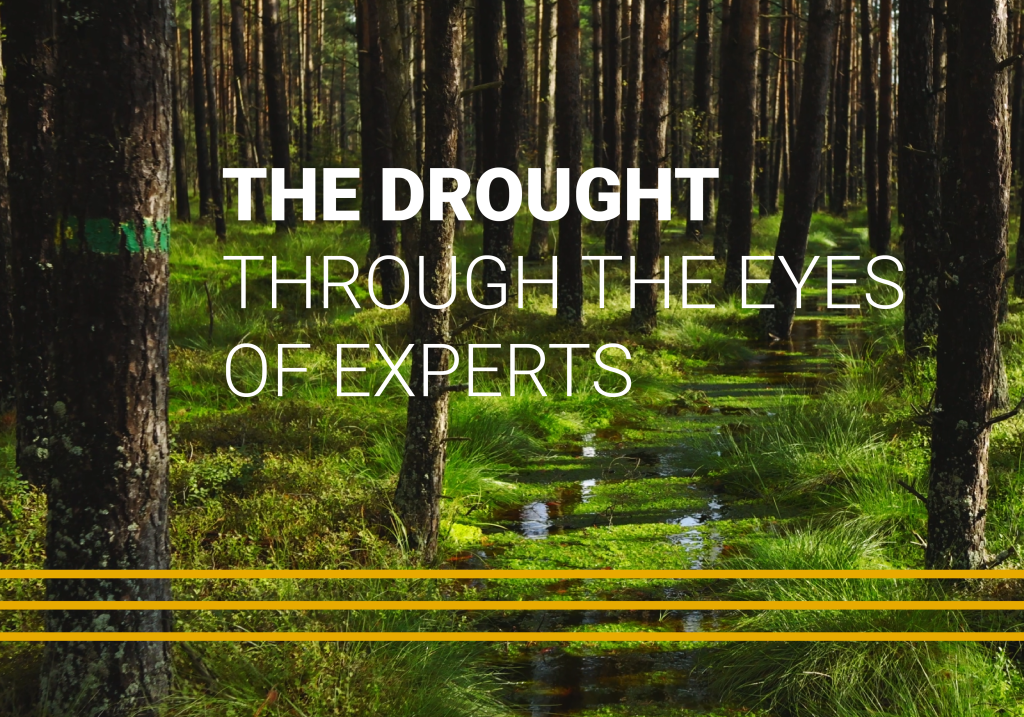
Drought is one of the most serious environmental challenges we currently face in Poland and worldwide. Experts in hydrology, climatology, agriculture, and water management agree – the problem is growing and it is long-term. Increasingly frequent and prolonged periods without rainfall, rising temperatures, and climate change are leading to lower groundwater levels, drying up of rivers and lakes, and deteriorating conditions for agriculture and ecosystems.
Tag Archives: groundwater levels
07
Oct
Oct
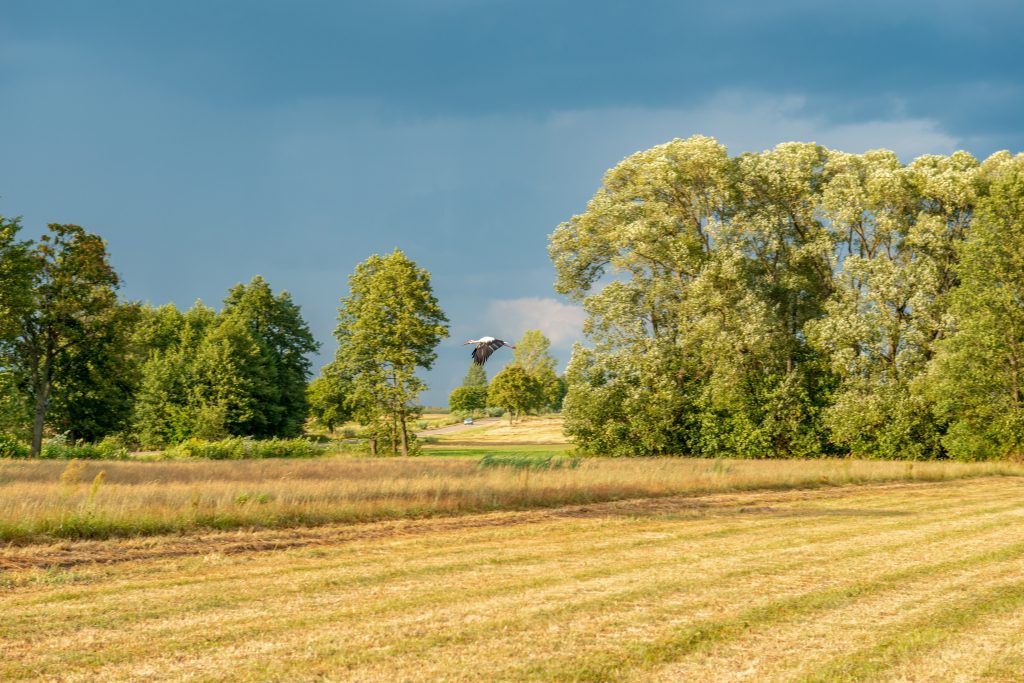
The summer of 2025 was a particularly contrasting period in Poland in terms of water balance. Although the water balance indicator itself is complex and takes into account both inflows (including atmospheric precipitation, surface and groundwater recharge) and losses (evaporation, plant transpiration, surface runoff), in practice its development depends primarily on precipitation and air temperature, which influences the intensity of evapotranspiration (including evaporation from soil surfaces and water bodies, as well as plant transpiration).
26
Aug
Aug
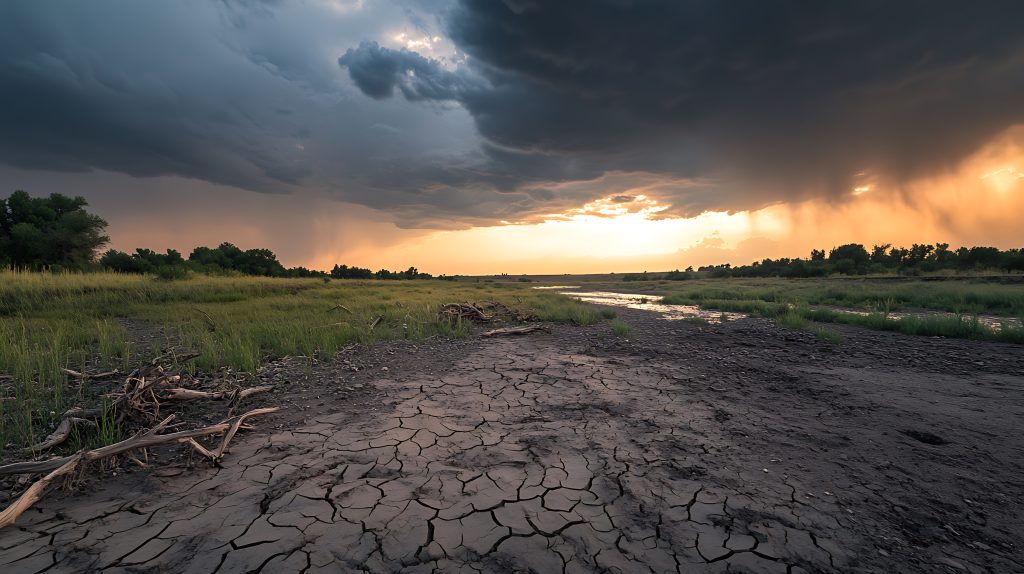
A few hours of rain are enough for lawns to turn green and flowers to bloom. For this reason, many people believe that drought is an easily reversible problem, and that a week of heavy rain is enough to stave off a prolonged drought. However, hydrology isn’t so simple. Drought is a complex, multi-stage, and often hidden phenomenon, and its reversal depends not solely on the previous week’s weather. Short-term rainfall isn’t enough to address the consequences of drought. But what does effective “irrigation” actually look like?