
 PL
PL

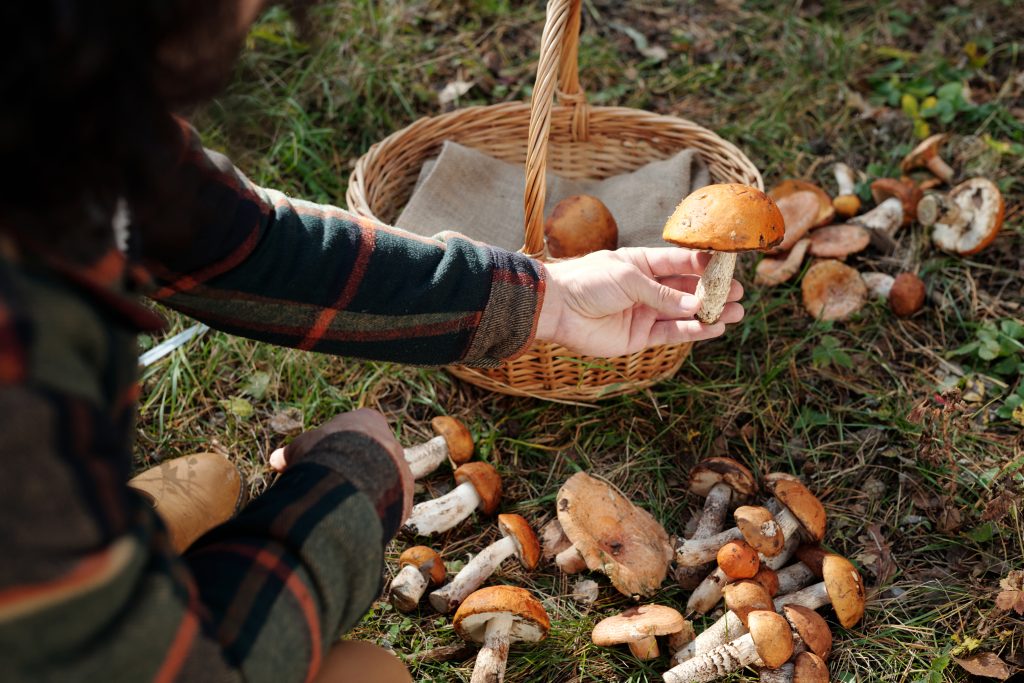
September has arrived – the mushroom-picking season has already started. In their spare time, many of us will head to the forest to gather the bounty nature provides. But what is the situation like this year? Will we find the woods empty? And what about the weather? Is there truth to the saying that something springs up “like mushrooms after rain” implying rapid growth?
Tag Archives: start retencji
Aktualności
From catalog to concrete action: uDECP indicates where and by whom action should be taken

16
Sep
Sep
The drought effects counteracting plan adopted in 2021 and the update currently under preparation differ in more than just the scope of analysis or the currency of the data. Between the first and second planning cycles, the Water Law changed, and with it the function of the document itself: it shifted from outlining a catalogue of potential interventions toward more operational planning for their implementation.
Aktualności
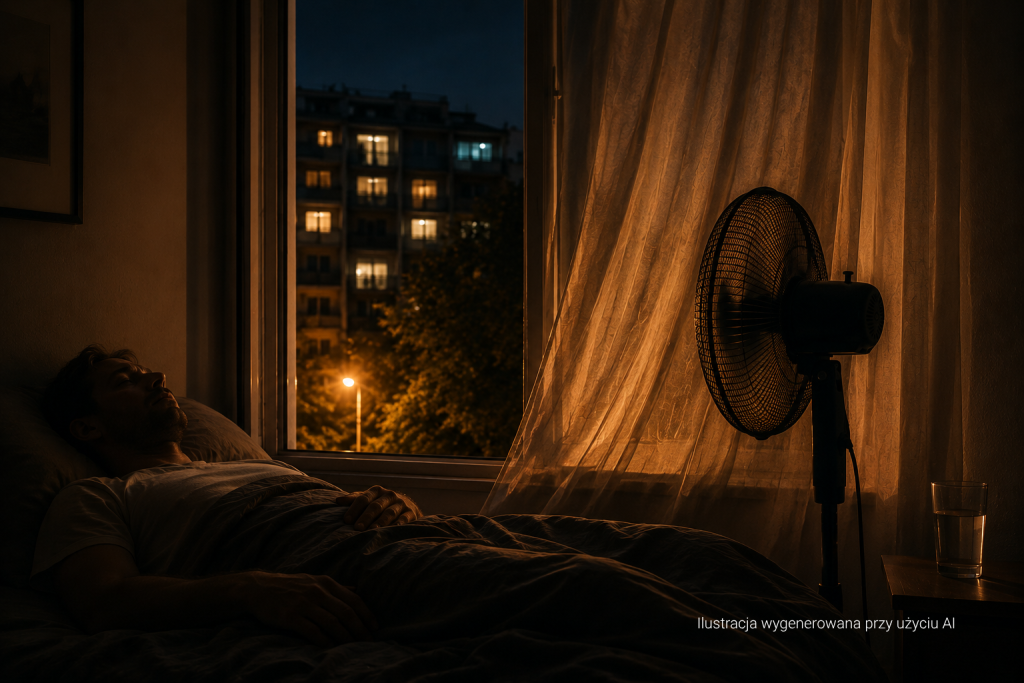
Tropical nights in Poland. How do high nighttime temperatures accelerate the drying of the country?
01
Sep
Sep
In recent years, high daytime temperatures during summer have become the norm in our country. Progressive climate change is also causing an increase in minimum air temperatures. This phenomenon is known as tropical nights. They occur when the minimum nighttime temperature does not fall below 20°C (68°F). Until recently, warm, even scorching, evenings were associated primarily with trips to Mediterranean countries. Today, however, this phenomenon is becoming increasingly common in our climate, especially during longer and more intense heatwaves.
25
Aug
Aug
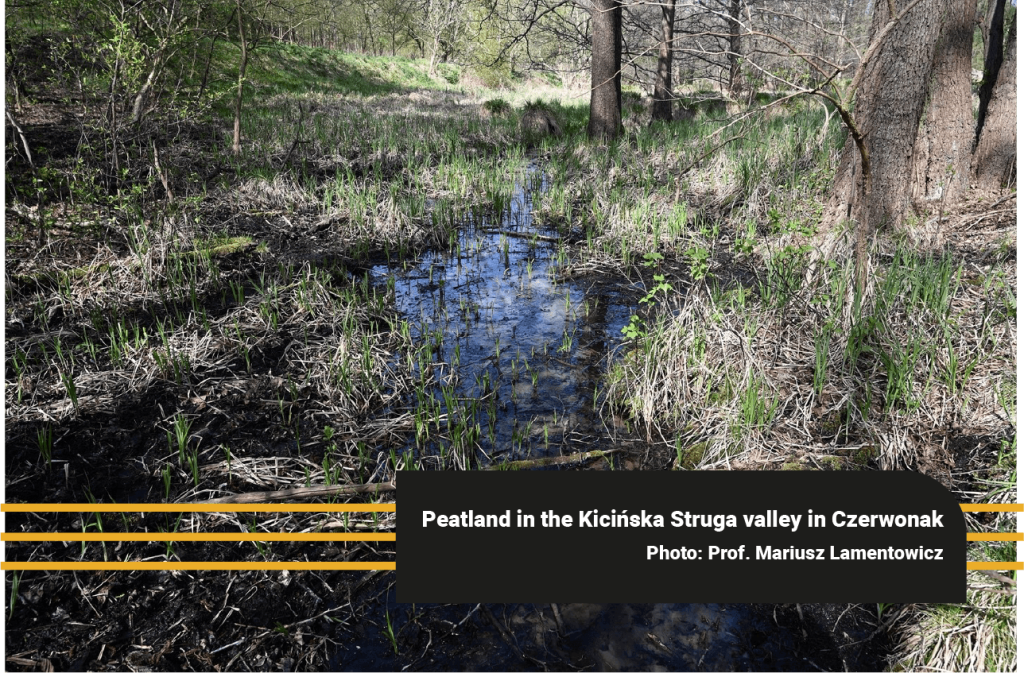
For many years, there was a perception that wetlands were a bad thing – wasteland, impractical, waterlogged land that became an obstacle to human activity. This misconception led to the drainage of a vast number of wetlands (in Poland – over 80%, which per unit area translates to over 1 million hectares!), which are crucial not only for local biodiversity but also for counteracting the effects of drought. Due to the rapid decline of wetlands since the beginning of the 20th century, an international agreement – the Ramsar Convention on the Conservation of Wetlands – was signed on February 2, 1971.
30
Jul
Jul
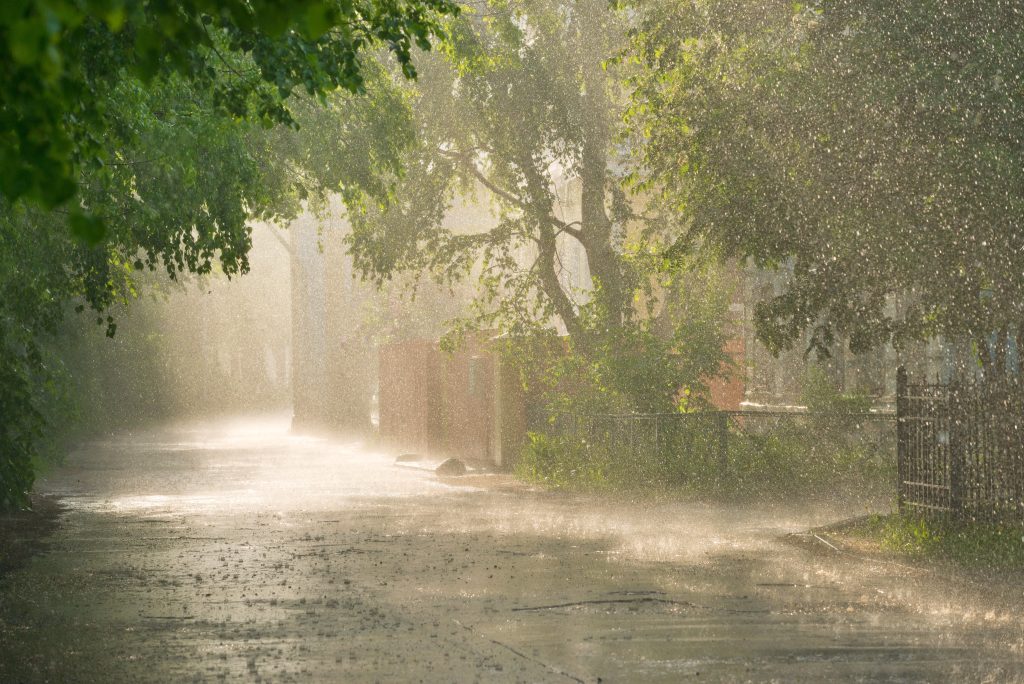
Many of us associate drought primarily with a prolonged lack of rainfall. We imagine cracked earth, dried-out rivers, and plants wilting from water shortages. However, the reality is much more complex. Soil drought can persist even when we experience almost daily violent storms and accompanying heavy rainfall. For the health of soil and plants, it’s not just the total rainfall that matters, but primarily its nature – its frequency, intensity, and duration.
17
Jul
Jul
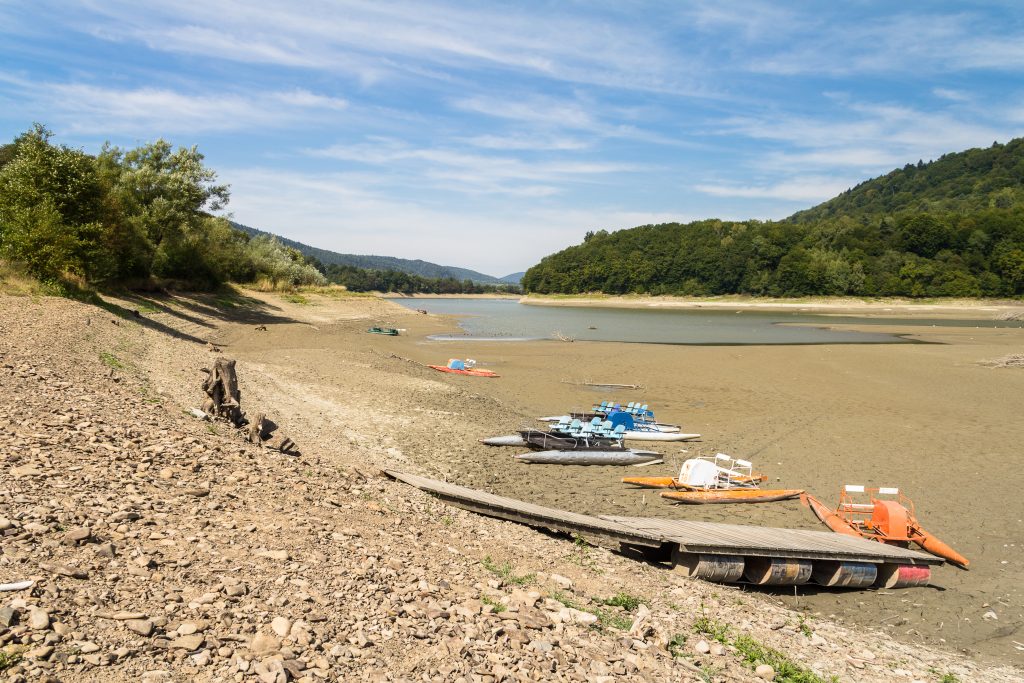
The long-awaited summer has arrived – sun, vacations, and high temperatures. After a long winter that surprised us with more snow and lower temperatures than in recent years, we can finally enjoy some fresh air, drink iced lemonade, and put on short sleeves. However, summer isn’t just about sunshine, vacations, and relaxation. It’s also the period when drought becomes more pronounced and noticeable, and can affect not only agriculture and the prices of fruit and vegetables . Drought can also affect our holiday plans.
28
May
May
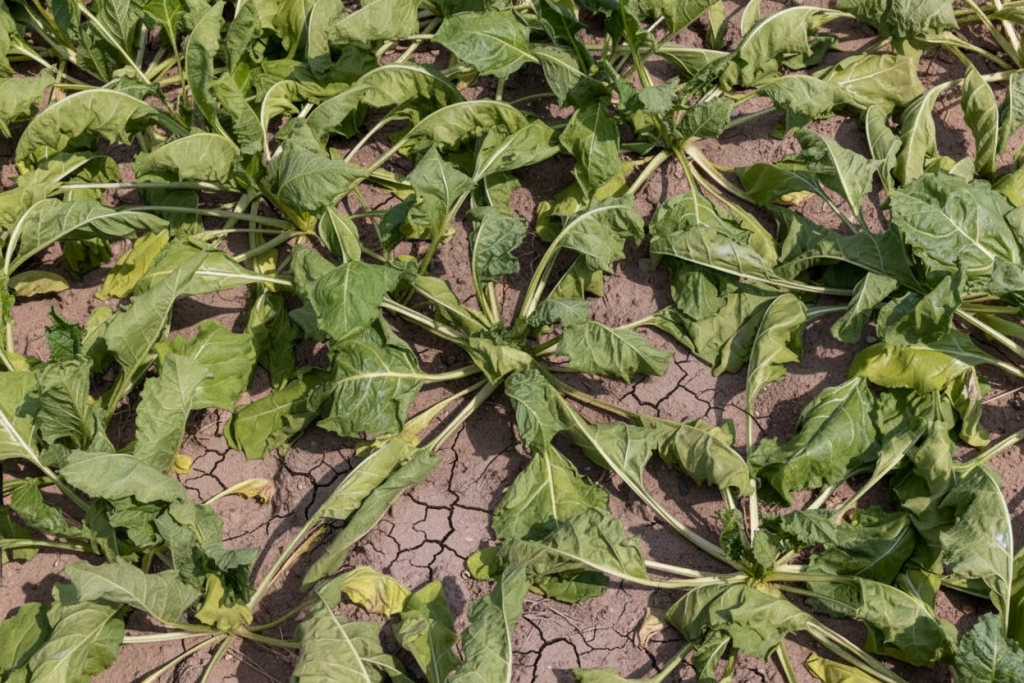
Both in Poland and around the world, we are increasingly grappling with the problem of a lack of or significantly reduced rainfall. Periods without rain often stretch on for weeks, exacerbating the drought. Until recently, we faced this problem primarily in summer, but in recent years, drought and a lack of rainfall have been making their presence felt as early as in the first weeks of spring. This situation increases the risk of drought, causing the baseline situation at the beginning of the year to worsen year after year. This means that in subsequent years, the problem of low water levels appears earlier and affects an increasingly larger area, and even a single episode of a snowier winter cannot improve the situation (see: https://stopsuszy.pl/roztopy-w-miastach-woda-ze-sniegu/).
25
May
May
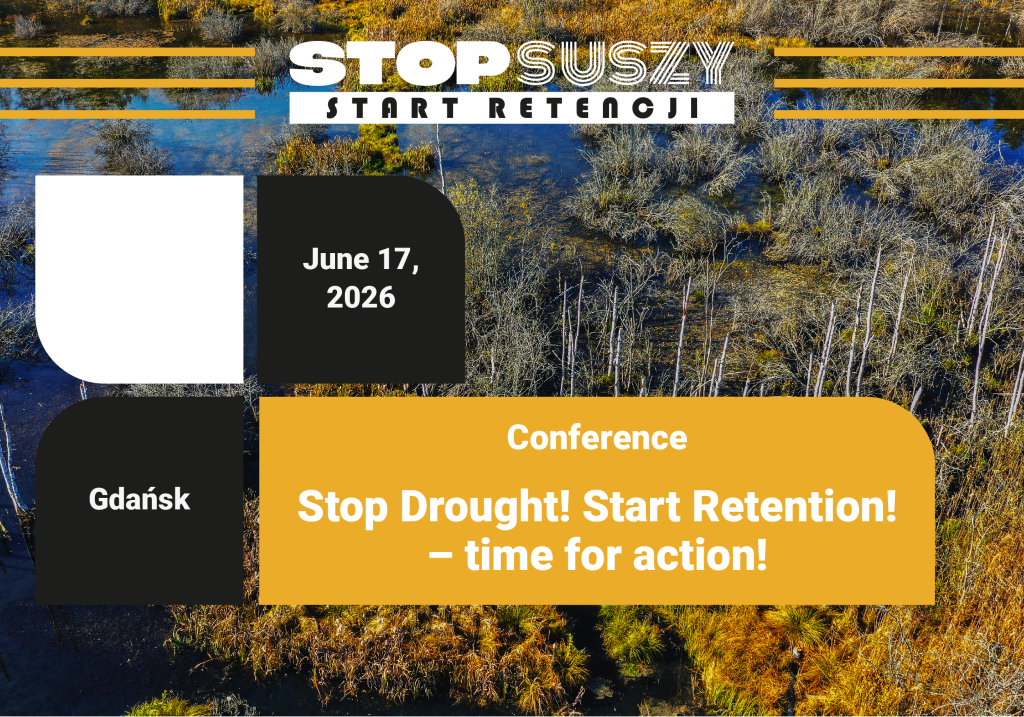
On June 17, we invite you to the third Stop Drought! Start Retention! conference, which will take place in Gdańsk. During the event organized by the Polish Waters National Water Holding, we will focus on the practical dimension of drought mitigation. In particular, we will discuss the MEASURES proposed in the draft update of the Drought Effects Mitigation Plan (aPPSS).

27
Apr
Apr
April 22nd marks International Earth Day. It’s a day that annually prompts reflection on the condition of the natural environment. This year’s theme, “Our Power, Our Planet,” resonates particularly strongly with one of today’s most serious challenges: the growing problem of drought and dwindling water resources. Access to water is no longer a given, and water itself is becoming a strategic asset whose availability requires conscious management. The theme, “Our Power, Our Planet,” reminds us that we are all responsible for our planet and that ordinary, everyday actions can counteract climate change, including the effects of drought.
13
Apr
Apr
Drought is one of the most serious environmental challenges we currently face in Poland and worldwide. Experts in hydrology, climatology, agriculture, and water management agree – the problem is growing and it is long-term. Increasingly frequent and prolonged periods without rainfall, rising temperatures, and climate change are leading to lower groundwater levels, drying up of rivers and lakes, and deteriorating conditions for agriculture and ecosystems.