
 PL
PL

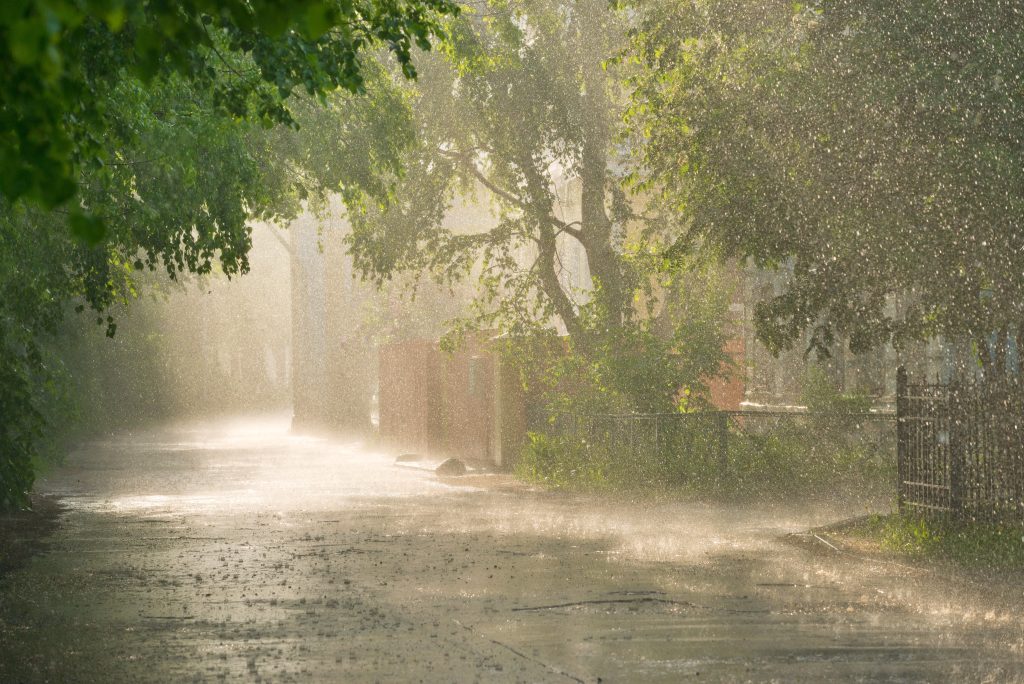
Many of us associate drought primarily with a prolonged lack of rainfall. We imagine cracked earth, dried-out rivers, and plants wilting from water shortages. However, the reality is much more complex. Soil drought can persist even when we experience almost daily violent storms and accompanying heavy rainfall. For the health of soil and plants, it’s not just the total rainfall that matters, but primarily its nature – its frequency, intensity, and duration.
The paradox of the modern climate is that we increasingly observe the simultaneous occurrence of two seemingly contradictory phenomena: drought and flash floods. In a single day, as much rain as would normally fall in an entire month can fall, yet a few days later, fields dry out again. This is precisely one of the most characteristic effects of ongoing climate change – increasing rainfall variability and an increase in the number of extreme events.
What is soil drought?
Soil drought, also known as agricultural drought, means insufficient soil moisture in the root zone of plants. In practice, this means that despite the presence of some water in the environment, plants are unable to absorb enough of it for proper growth and development.
Soil drought is a direct consequence of atmospheric drought resulting from a prolonged period without or with little rainfall, high air temperature, and increased evaporation. As the soil dries, the amount of water available to plants decreases. This leads to stunted growth, wilting, and a significant drop in yields. In the long term, agricultural drought also results in gradual soil degradation, which in turn increases its susceptibility to erosion.
Why does the drought persist despite rainfall?
At first glance, it may seem that every downpour improves the hydrological situation. In reality, heavy rains only marginally replenish soil water reserves. Several reasons explain this:
- Excessive rainfall intensity
During heavy rainfall, up to 80 liters of water per square meter can fall in just a few minutes. Unfortunately, soil has a limited capacity for water absorption, known as infiltration capacity. If rain falls faster than the soil can absorb it, the excess water begins to run off the surface. In practice, this means that a significant portion of the rainfall doesn’t feed the root system but instead ends up in drainage ditches, rivers, and storm sewers.
- Hydrophobicity – when soil repels water
One of the lesser-known phenomena is soil hydrophobicity. Prolonged dryness of soil changes its physical properties. Organic matter particles and certain substances secreted by microorganisms and roots can form a thin layer on the soil surface, impeding wetting. As a result, the first raindrops do not soak in but remain on the surface and begin to run off. This is particularly noticeable in sandy and very dry soils, where after a heavy downpour, the surface can remain almost dry after just a few hours.
Furthermore, dry soil often cracks. Although it might seem that cracks facilitate water penetration, some precipitation flows very quickly through them to deeper layers, bypassing the root zones used by plants.
- Surface runoff and erosion
Water that doesn’t have time to soak down flows onto the ground surface. This phenomenon is particularly pronounced on slopes, barren agricultural land, and heavily urbanized areas. Surface runoff causes the leaching of the most fertile soil layer (humus), the leaching of fertilizers and minerals into surface waters, and the silting up of ditches, watercourses, and retention reservoirs. This means that heavy rainfall can only exacerbate agricultural problems by degrading soil structure.
- Rapid evaporation and evapotranspiration
Summer is the period of the highest temperatures and the greatest sunlight. Even if some precipitation is retained by the soil, it quickly begins to evaporate again. This process involves two phenomena: evaporation, or the dehydration of the soil surface, and transpiration, or the release of water by plants. Collectively, these are known as evapotranspiration.
Strong solar radiation, high temperatures and wind cause a significant part of the accumulated moisture to return to the atmosphere before it can reach the deeper layers of the soil.
Why is a calm rain more valuable than a downpour?
The most effective way to replenish soil water resources is through prolonged, low-intensity rainfall, known as agrotechnical rainfall. Several or even several dozen hours of calm rain allow water to gradually percolate into the deeper layers of the soil. This increases the moisture content of the entire soil profile, reaching root systems, replenishing groundwater, and limiting evaporation. Consequently, landscape retention is improved.
It is precisely this type of rainfall that is most important for both agriculture and the restoration of water resources.
Soil drought and flash floods
When the monthly rainfall norm falls in one or two hours, the parched soil cannot absorb such a huge amount of water. Instead of replenishing the soil profile, rainwater rapidly flows across the ground and into watercourses through the sewer system instead of infiltrating into groundwater. In cities, the situation is further exacerbated by the large share of impermeable surfaces – asphalt roads, sidewalks, paved squares, and roofs. Water has virtually no infiltration capacity and quickly floods streets, tunnels, underpasses, and parking lots.
Such phenomena are called flash floods. They develop extremely quickly – often within just a few dozen minutes of the onset of heavy rainfall.
An example of such a phenomenon is the flood that hit Gdańsk in July 2016. In some districts, over 150 mm of rain fell in a matter of hours, flooding streets, tunnels, and underground parking lots. Similar phenomena were also observed in Rabka-Zdrój, Jelenia Góra, Bielsko-Biała, and many other Polish cities during sudden, intense rainfall.
Intense rainfall and violent storms pose a significant threat to both urbanized areas and agricultural areas. Moderate rainfall lasting several hours is much more valuable than short-lived downpours. At the same time, measures to increase water retention – both in the soil and across the landscape – are becoming increasingly important. With climate change continuing, water retention will become a key element in mitigating the effects of extreme weather events, including droughts and floods.
You can also learn more about the causes of drought and ways to retain water from our podcasts: https://stopsuszy.pl/podcasty/
