
 PL
PL

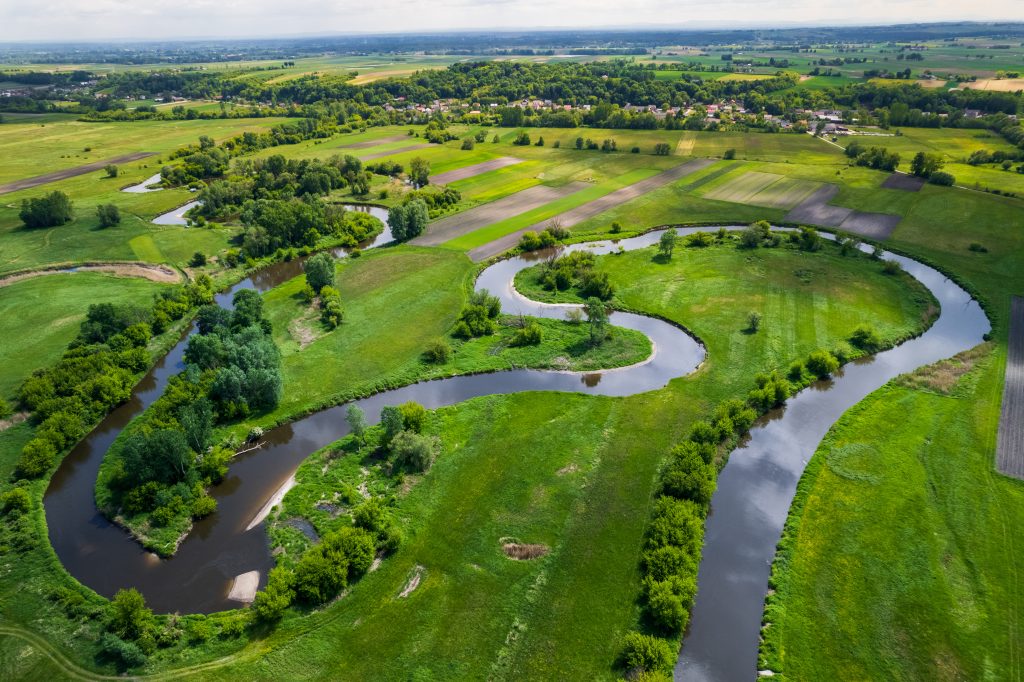
Today, the last Sunday of September, marks World Rivers Day, an observance established by the United Nations in 2005. On this significant day, let us consider the invaluable roles rivers play, whether in terms of ecosystems, the economy, or tourism. The importance of natural rivers within the Polish landscape deserves special emphasis; it is precisely unregulated rivers that cope best during periods of water scarcity and effectively mitigate the effects of the deepening drought in our country. When addressing the impacts of drought, the priority is to leverage the natural character of rivers and undertake new initiatives aimed at restoring them to their pre-intervention state – a process known as renaturalization.
Category Archives: Aktualności
Aktualności
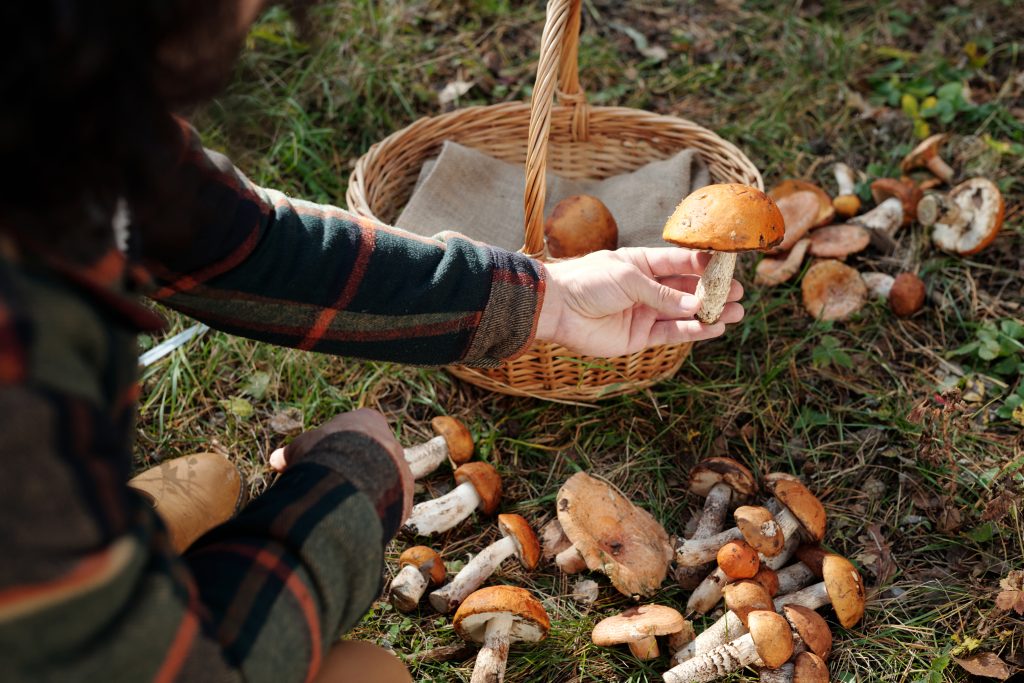
Can drought ruin a mushroom-picking trip? What does the autumn flush of mushrooms really depend on?
18
Sep
Sep
September has arrived – the mushroom-picking season has already started. In their spare time, many of us will head to the forest to gather the bounty nature provides. But what is the situation like this year? Will we find the woods empty? And what about the weather? Is there truth to the saying that something springs up “like mushrooms after rain” implying rapid growth?
Aktualności
From catalog to concrete action: uDECP indicates where and by whom action should be taken
16
Sep
Sep
The drought effects counteracting plan adopted in 2021 and the update currently under preparation differ in more than just the scope of analysis or the currency of the data. Between the first and second planning cycles, the Water Law changed, and with it the function of the document itself: it shifted from outlining a catalogue of potential interventions toward more operational planning for their implementation.
Aktualności
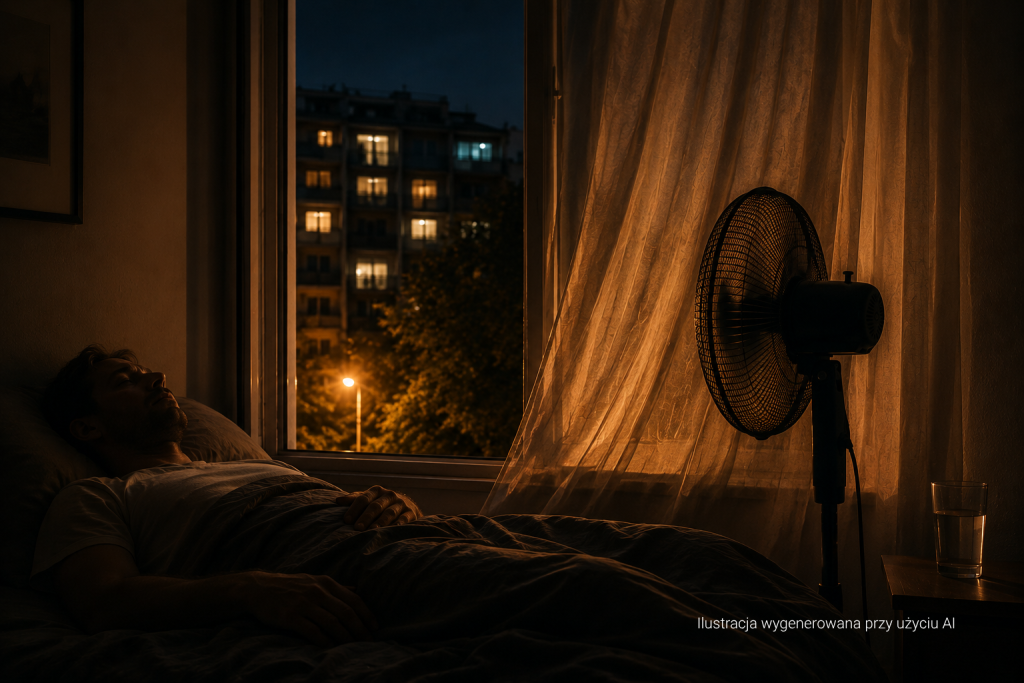
Tropical nights in Poland. How do high nighttime temperatures accelerate the drying of the country?
01
Sep
Sep
In recent years, high daytime temperatures during summer have become the norm in our country. Progressive climate change is also causing an increase in minimum air temperatures. This phenomenon is known as tropical nights. They occur when the minimum nighttime temperature does not fall below 20°C (68°F). Until recently, warm, even scorching, evenings were associated primarily with trips to Mediterranean countries. Today, however, this phenomenon is becoming increasingly common in our climate, especially during longer and more intense heatwaves.
25
Aug
Aug
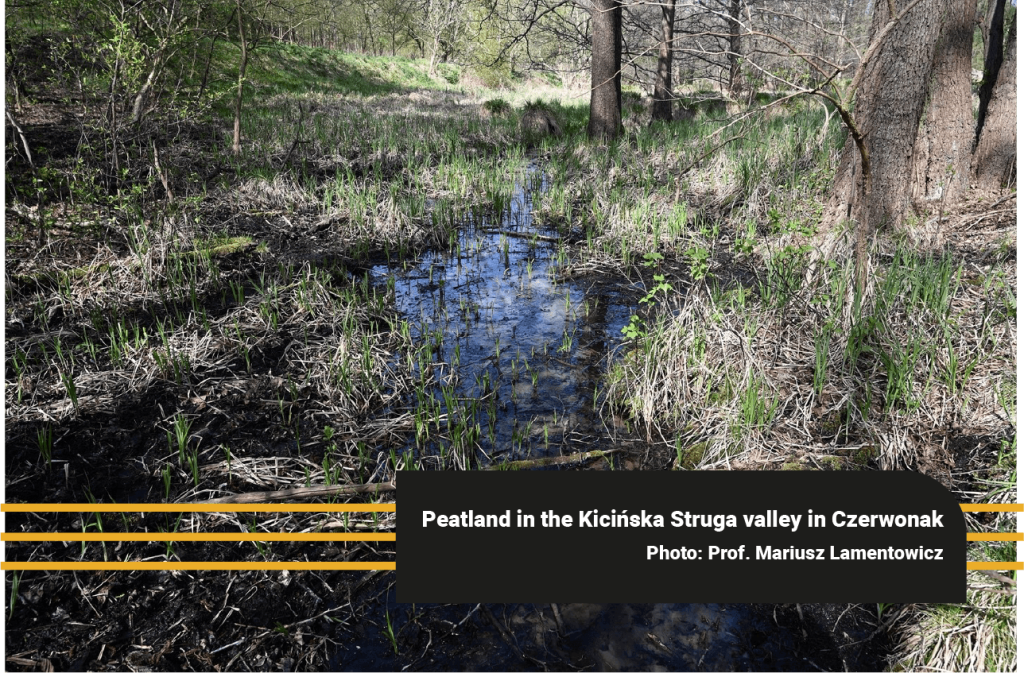
For many years, there was a perception that wetlands were a bad thing – wasteland, impractical, waterlogged land that became an obstacle to human activity. This misconception led to the drainage of a vast number of wetlands (in Poland – over 80%, which per unit area translates to over 1 million hectares!), which are crucial not only for local biodiversity but also for counteracting the effects of drought. Due to the rapid decline of wetlands since the beginning of the 20th century, an international agreement – the Ramsar Convention on the Conservation of Wetlands – was signed on February 2, 1971.
Aktualności
Public consultations on the draft update of the drought effects counteracting plan (uDECP)
19
Aug
Aug
Pursuant to Article 183 of the Water Law Act, counteracting the effects of drought is the responsibility of central and local government authorities and Polish Waters.
Counteracting the effects of drought is carried out in accordance with the drought effects counteracting plan (Article 184, paragraphs 1 and 2 of the Water Law Act).
The drought effects counteracting plan was adopted by Regulation of the Minister of Infrastructure dated July 15, 2021 (Journal of Laws of 2021, item 1615).
According to the Water Law Act, this document is subject to update at least every six years. The draft drought effects counteracting plan and its updates, in accordance with Article 185, paragraphs 1, 8, and 9, are prepared by Polish Waters.
Pursuant to Article 39, paragraph 1 of 3 October 2008 on providing information on the environment and its protection, public participation in environmental protection and environmental impact assessments (Journal of Laws of 2026, item 670) The Minister of Infrastructure hereby announces the commencement of public consultations on the draft update of the drought effects counteracting plan (uDECP).
30
Jul
Jul
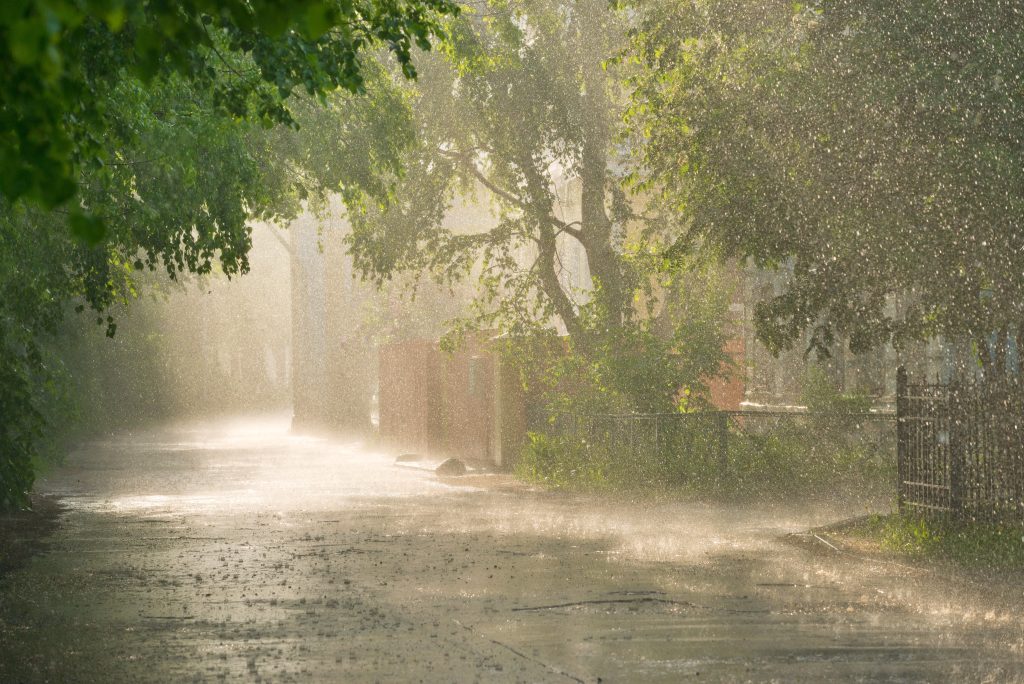
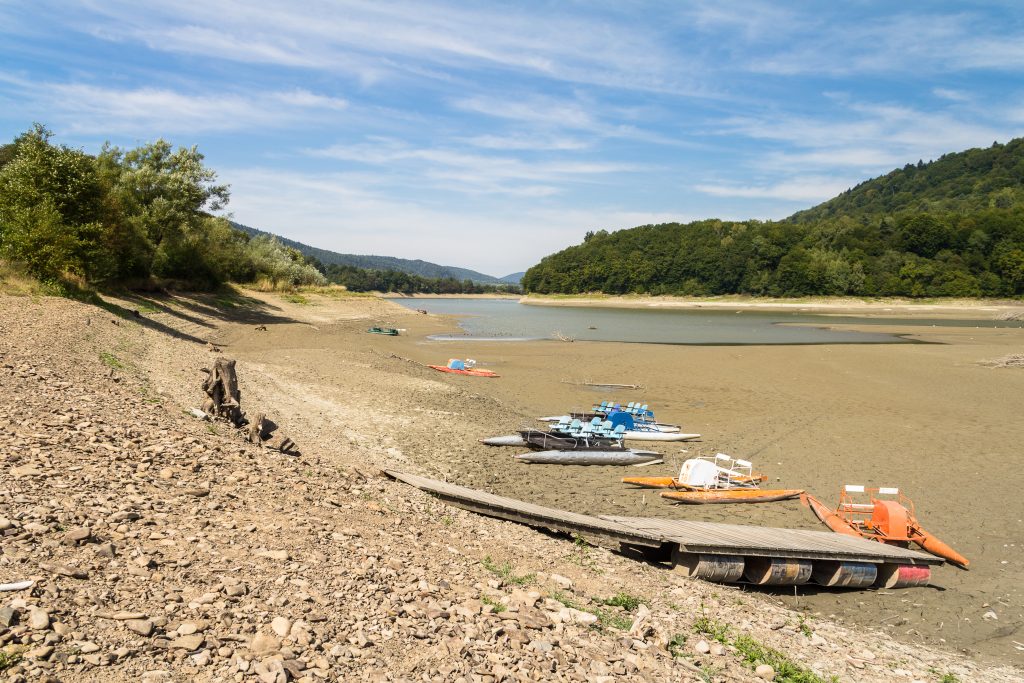
Many of us associate drought primarily with a prolonged lack of rainfall. We imagine cracked earth, dried-out rivers, and plants wilting from water shortages. However, the reality is much more complex. Soil drought can persist even when we experience almost daily violent storms and accompanying heavy rainfall. For the health of soil and plants, it’s not just the total rainfall that matters, but primarily its nature – its frequency, intensity, and duration.
17
Jul
Jul
The long-awaited summer has arrived – sun, vacations, and high temperatures. After a long winter that surprised us with more snow and lower temperatures than in recent years, we can finally enjoy some fresh air, drink iced lemonade, and put on short sleeves. However, summer isn’t just about sunshine, vacations, and relaxation. It’s also the period when drought becomes more pronounced and noticeable, and can affect not only agriculture and the prices of fruit and vegetables . Drought can also affect our holiday plans.
Aktualności
“Stop Drought! Start Retention!” Is Poland at Risk of Desertification? Experts Will Respond in Gdańsk
30
Jun
Jun
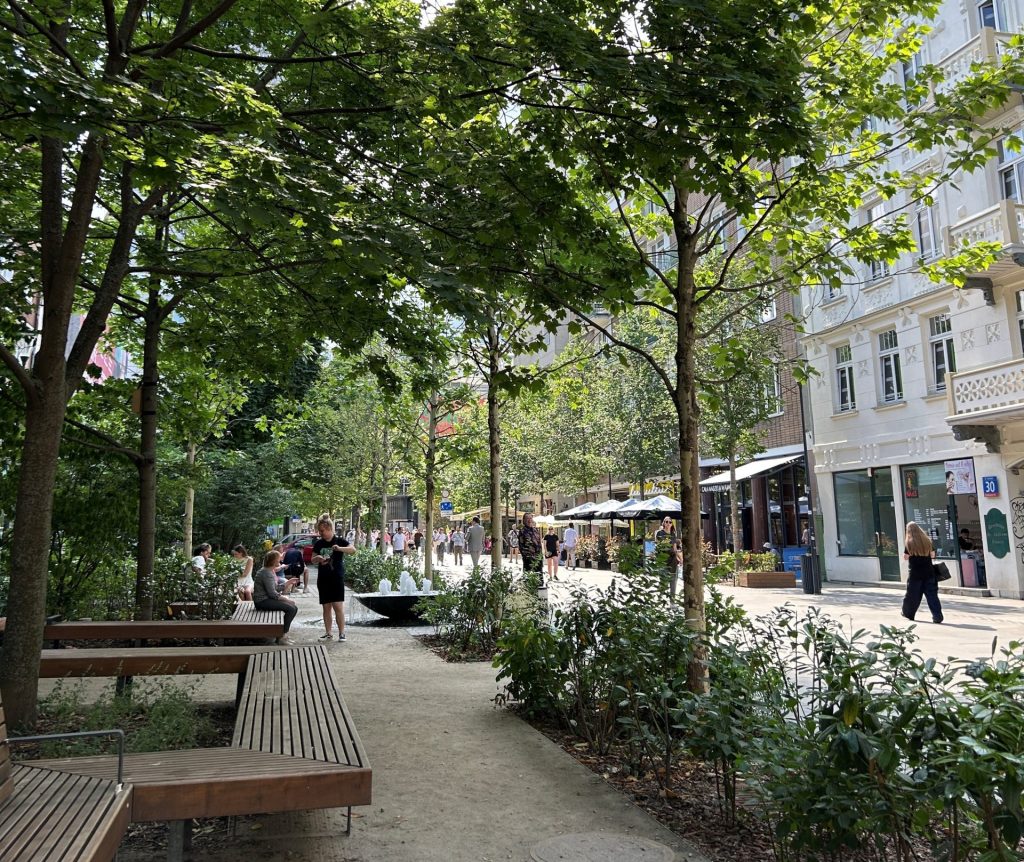
Poland has entered another growing season with a water deficit. Dry, cracked soil and drying rivers are no longer regional anomalies, but a reality across large swaths of the country. The answer to these problems lies in the actions outlined in the currently updated Drought Effects Counteracting Plan. On June 17th – during the World Day to Combat Desertification and Drought – a conference will be held in Gdańsk under the slogan “Stop Drought! Start Retention! – Time to Act!”. Experts and practitioners will discuss real and necessary solutions.
29
Jun
Jun
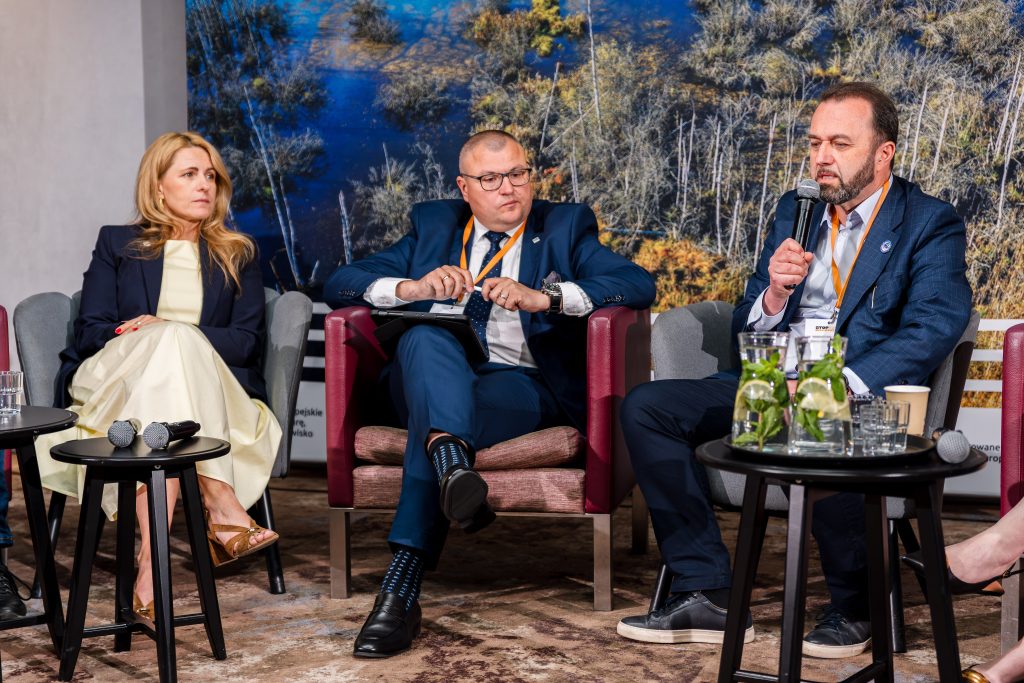
Experts, local government officials, and scientists analyzed mechanisms for combating drought during the conference “Stop Drought! Start Retention! – Time to Action!” held on June 17 in Gdańsk. The discussion focused on the proposed actions in the draft update of the Drought Effects Counteracting Plan (uDECP) for urban areas. Drawing on the experiences of Gdańsk, Łódź, and Poznań, the need for systemic legislative and educational changes was emphasized, as well as the importance of wetland protection and the role of comprehensive blue-green solutions in cities.