
 PL
PL

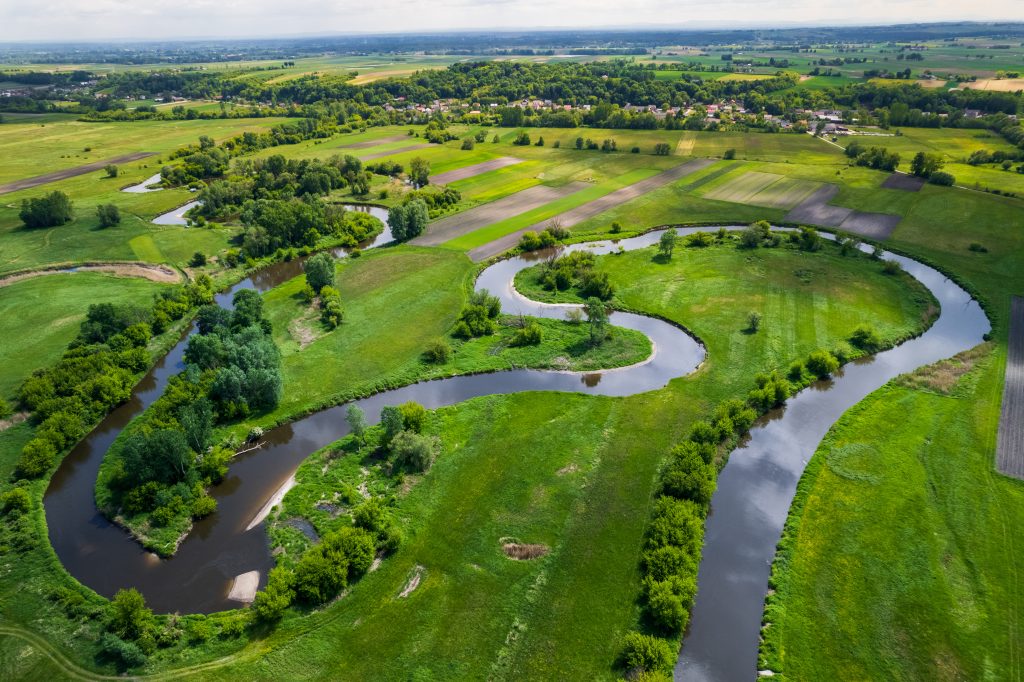
Today, the last Sunday of September, marks World Rivers Day, an observance established by the United Nations in 2005. On this significant day, let us consider the invaluable roles rivers play, whether in terms of ecosystems, the economy, or tourism. The importance of natural rivers within the Polish landscape deserves special emphasis; it is precisely unregulated rivers that cope best during periods of water scarcity and effectively mitigate the effects of the deepening drought in our country. When addressing the impacts of drought, the priority is to leverage the natural character of rivers and undertake new initiatives aimed at restoring them to their pre-intervention state – a process known as renaturalization.
Tag Archives: aPPSS
Aktualności
From catalog to concrete action: uDECP indicates where and by whom action should be taken
16
Sep
Sep
The drought effects counteracting plan adopted in 2021 and the update currently under preparation differ in more than just the scope of analysis or the currency of the data. Between the first and second planning cycles, the Water Law changed, and with it the function of the document itself: it shifted from outlining a catalogue of potential interventions toward more operational planning for their implementation.
Aktualności
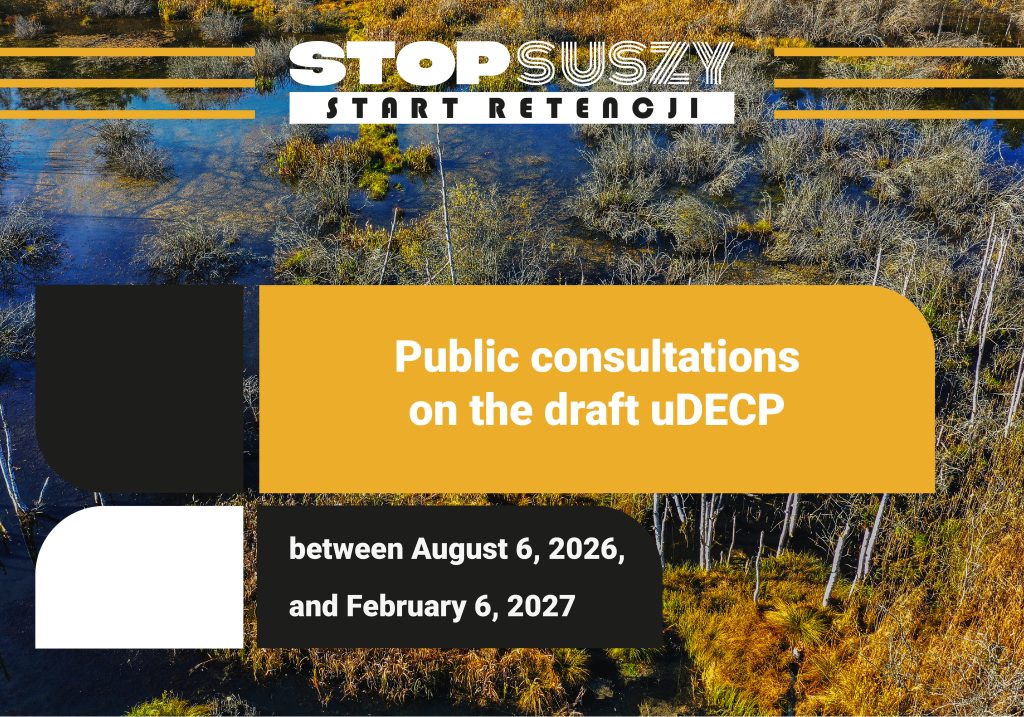
Public consultations on the draft update of the drought effects counteracting plan (uDECP)
19
Aug
Aug
Pursuant to Article 183 of the Water Law Act, counteracting the effects of drought is the responsibility of central and local government authorities and Polish Waters.
Counteracting the effects of drought is carried out in accordance with the drought effects counteracting plan (Article 184, paragraphs 1 and 2 of the Water Law Act).
The drought effects counteracting plan was adopted by Regulation of the Minister of Infrastructure dated July 15, 2021 (Journal of Laws of 2021, item 1615).
According to the Water Law Act, this document is subject to update at least every six years. The draft drought effects counteracting plan and its updates, in accordance with Article 185, paragraphs 1, 8, and 9, are prepared by Polish Waters.
Pursuant to Article 39, paragraph 1 of 3 October 2008 on providing information on the environment and its protection, public participation in environmental protection and environmental impact assessments (Journal of Laws of 2026, item 670) The Minister of Infrastructure hereby announces the commencement of public consultations on the draft update of the drought effects counteracting plan (uDECP).
29
Jun
Jun
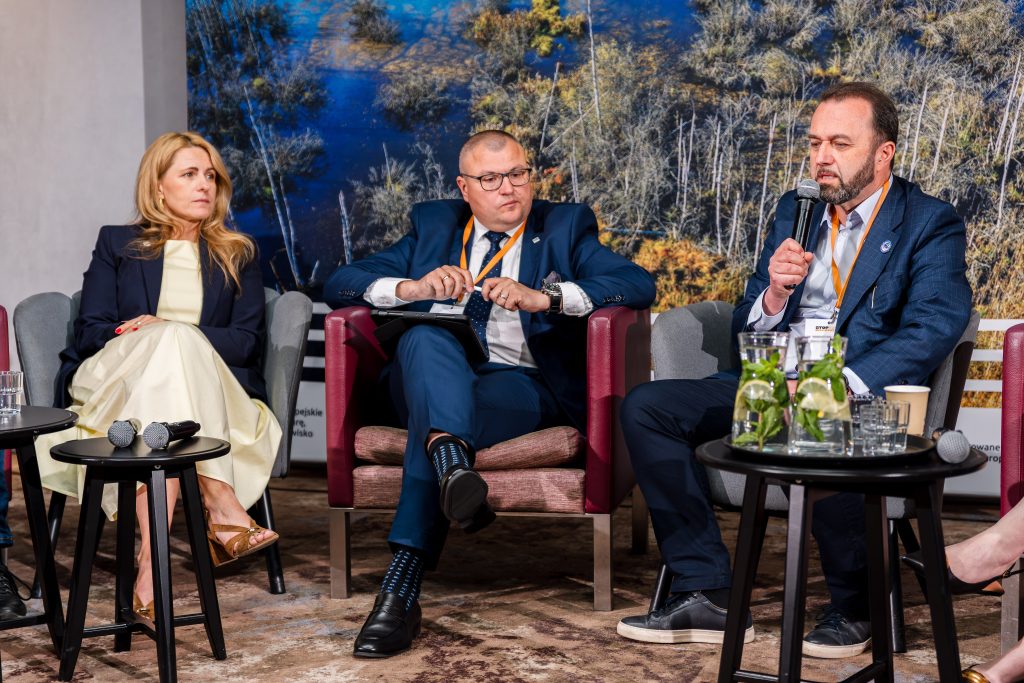
Experts, local government officials, and scientists analyzed mechanisms for combating drought during the conference “Stop Drought! Start Retention! – Time to Action!” held on June 17 in Gdańsk. The discussion focused on the proposed actions in the draft update of the Drought Effects Counteracting Plan (uDECP) for urban areas. Drawing on the experiences of Gdańsk, Łódź, and Poznań, the need for systemic legislative and educational changes was emphasized, as well as the importance of wetland protection and the role of comprehensive blue-green solutions in cities.
29
Jun
Jun
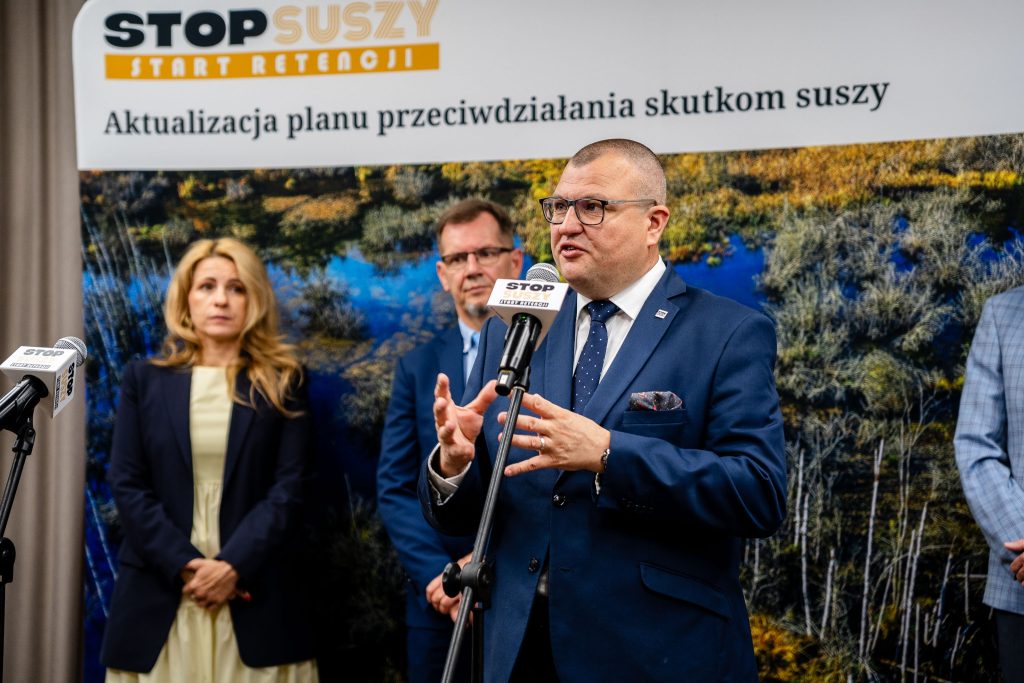
Over 450 experts and practitioners are debating in Gdańsk how to combat drought in the city. The meeting is taking place on the World Day to Combat Desertification and Drought. The choice of Tricity is not accidental – Gdańsk and Sopot are leaders in implementing blue-green infrastructure. The main topic of the conference “Stop Drought! Start Retention! – time for action!”, organized by Polish Waters, is the solutions proposed in the draft update of the Drought Effects Counteracting Plan.
25
May
May
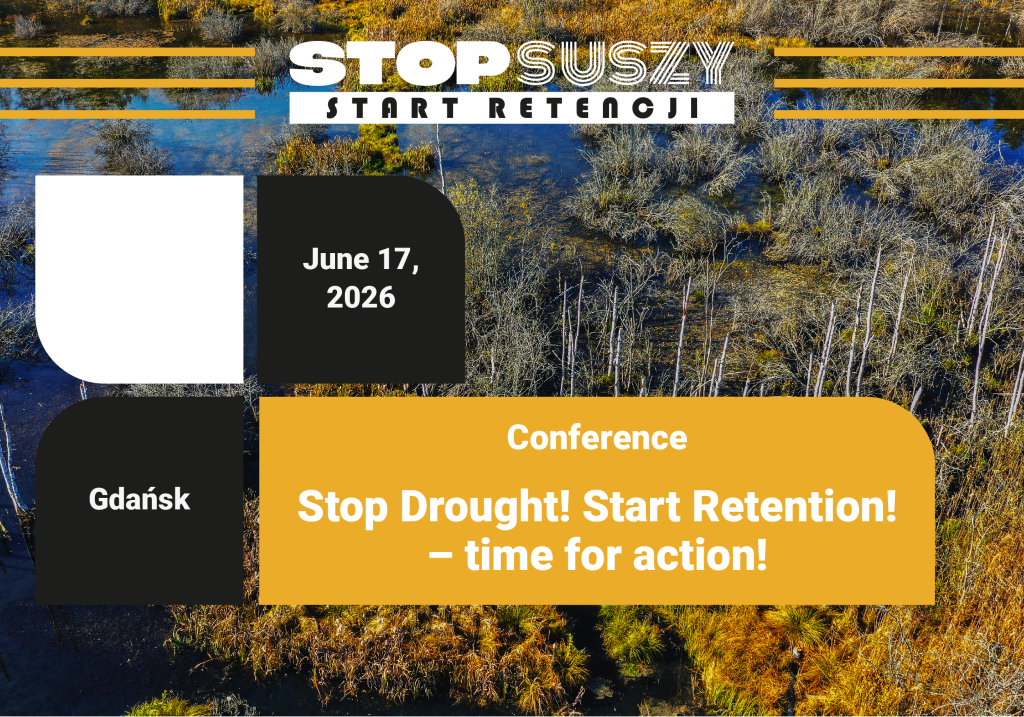
On June 17, we invite you to the third Stop Drought! Start Retention! conference, which will take place in Gdańsk. During the event organized by the Polish Waters National Water Holding, we will focus on the practical dimension of drought mitigation. In particular, we will discuss the MEASURES proposed in the draft update of the Drought Effects Mitigation Plan (aPPSS).