
 PL
PL

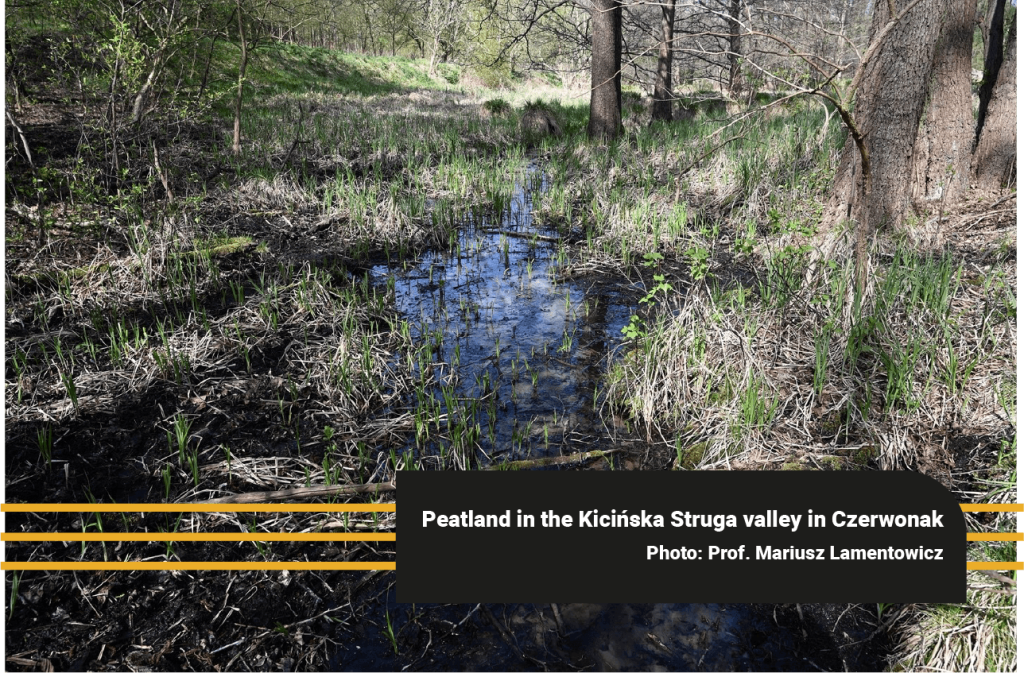
For many years, there was a perception that wetlands were a bad thing – wasteland, impractical, waterlogged land that became an obstacle to human activity. This misconception led to the drainage of a vast number of wetlands (in Poland – over 80%, which per unit area translates to over 1 million hectares!), which are crucial not only for local biodiversity but also for counteracting the effects of drought. Due to the rapid decline of wetlands since the beginning of the 20th century, an international agreement – the Ramsar Convention on the Conservation of Wetlands – was signed on February 2, 1971.
Tag Archives: blue-green infrastructure
Aktualności
“Stop Drought! Start Retention!” Is Poland at Risk of Desertification? Experts Will Respond in Gdańsk
30
Jun
Jun
Poland has entered another growing season with a water deficit. Dry, cracked soil and drying rivers are no longer regional anomalies, but a reality across large swaths of the country. The answer to these problems lies in the actions outlined in the currently updated Drought Effects Counteracting Plan. On June 17th – during the World Day to Combat Desertification and Drought – a conference will be held in Gdańsk under the slogan “Stop Drought! Start Retention! – Time to Act!”. Experts and practitioners will discuss real and necessary solutions.
29
Jun
Jun
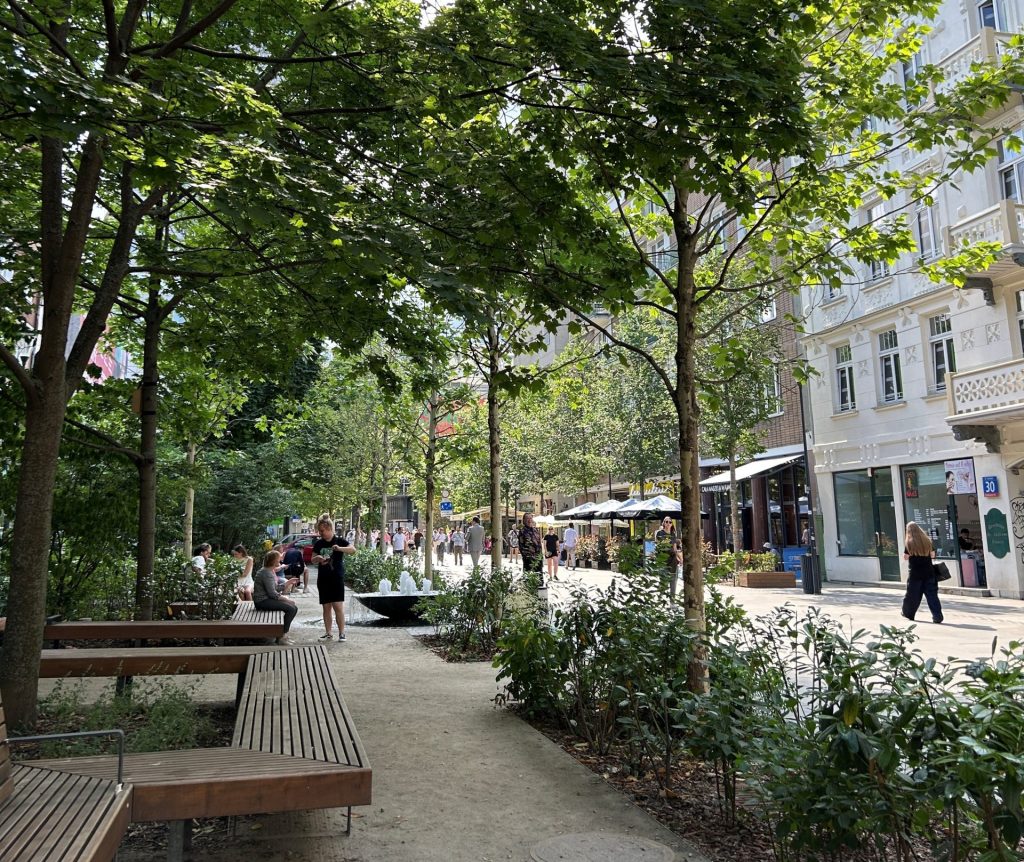
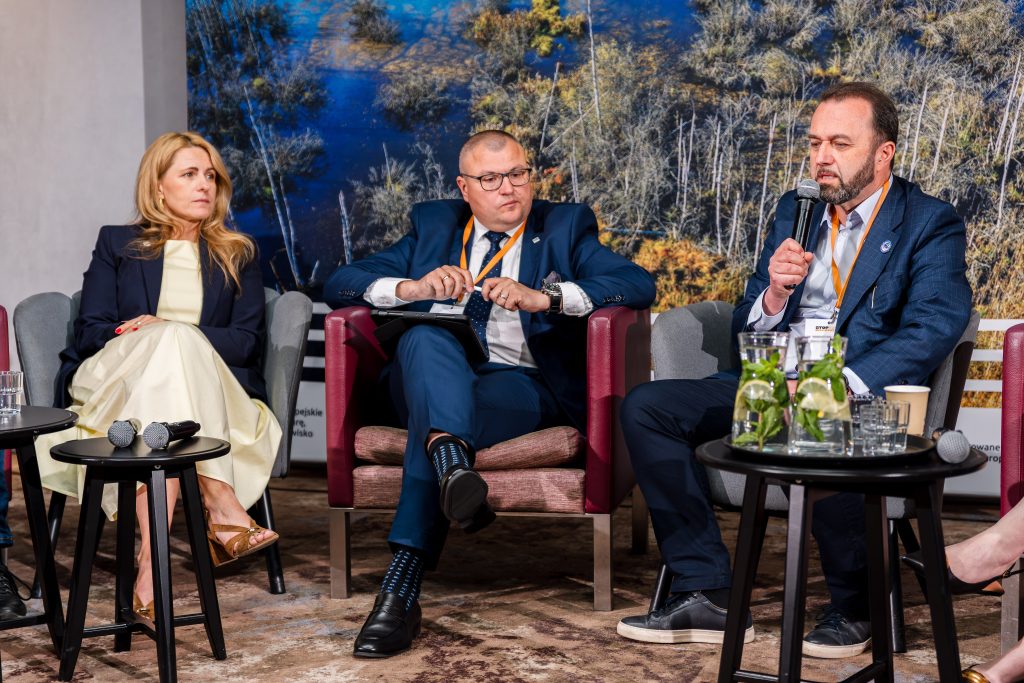
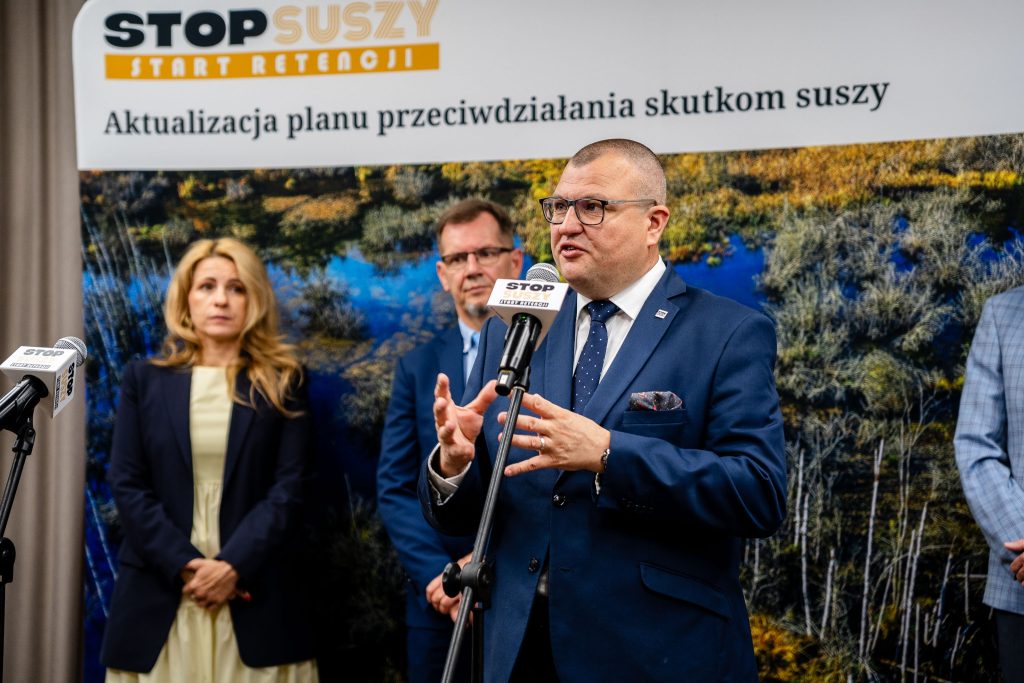
Experts, local government officials, and scientists analyzed mechanisms for combating drought during the conference “Stop Drought! Start Retention! – Time to Action!” held on June 17 in Gdańsk. The discussion focused on the proposed actions in the draft update of the Drought Effects Counteracting Plan (uDECP) for urban areas. Drawing on the experiences of Gdańsk, Łódź, and Poznań, the need for systemic legislative and educational changes was emphasized, as well as the importance of wetland protection and the role of comprehensive blue-green solutions in cities.
29
Jun
Jun
Over 450 experts and practitioners are debating in Gdańsk how to combat drought in the city. The meeting is taking place on the World Day to Combat Desertification and Drought. The choice of Tricity is not accidental – Gdańsk and Sopot are leaders in implementing blue-green infrastructure. The main topic of the conference “Stop Drought! Start Retention! – time for action!”, organized by Polish Waters, is the solutions proposed in the draft update of the Drought Effects Counteracting Plan.
20
Mar
Mar
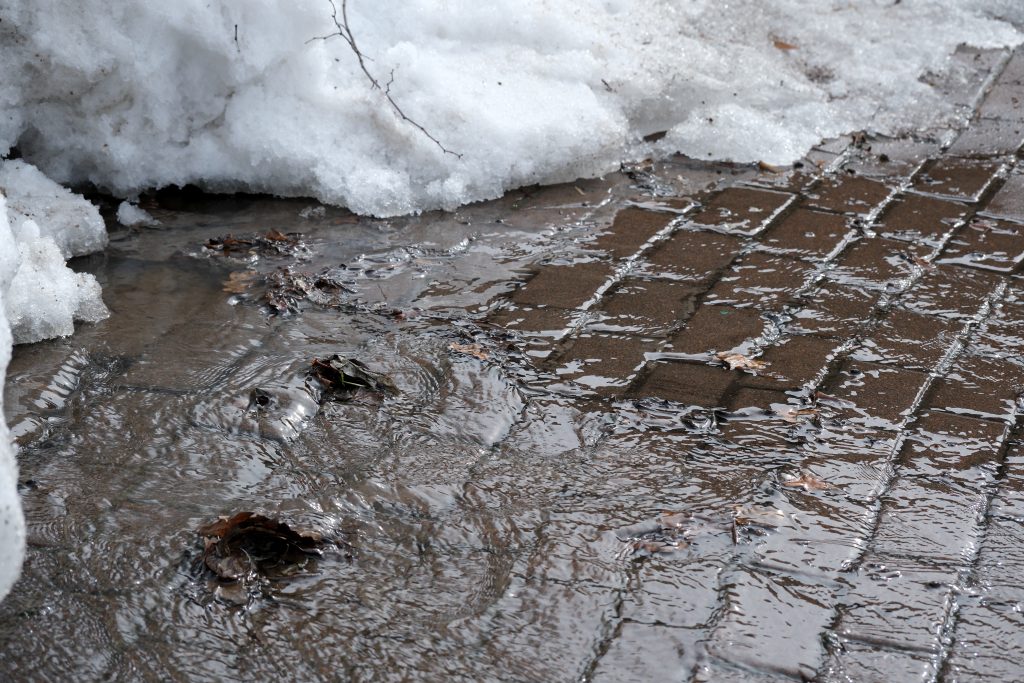
Changes in winter weather and climate – less stable snowpack, more frequent snowmelt, and more rainfall in winter – have direct consequences for urban water management. Problems often arise due to a lack of knowledge about how to properly manage snowmelt. The best solution to this problem is retention and blue-green infrastructure that help manage excess water. Therefore, cities must invest in retention solutions.