
 PL
PL

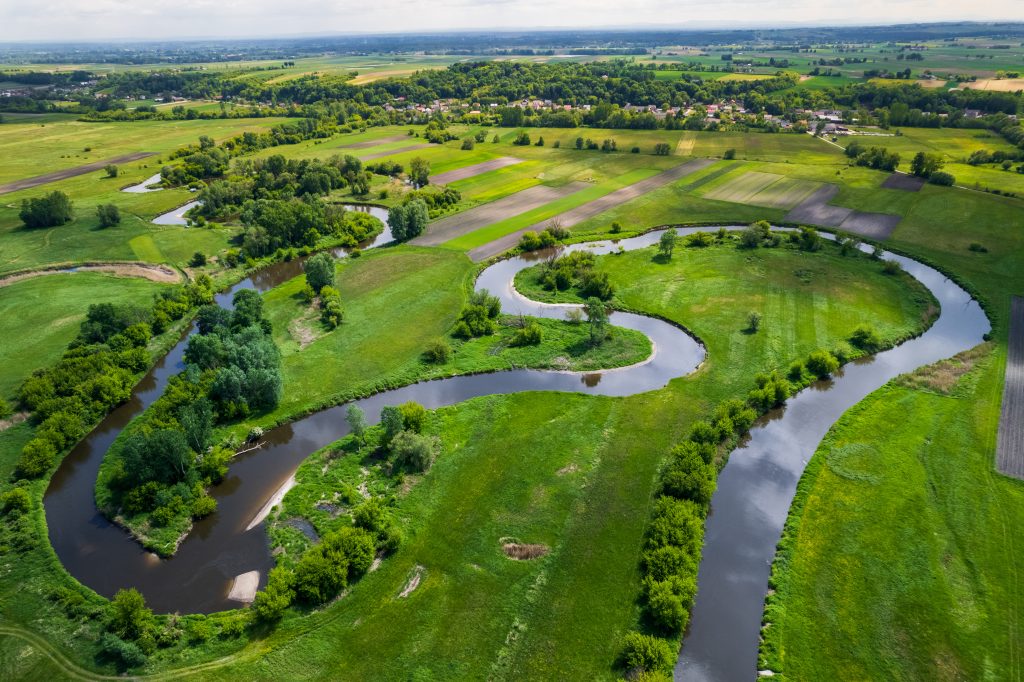
Today, the last Sunday of September, marks World Rivers Day, an observance established by the United Nations in 2005. On this significant day, let us consider the invaluable roles rivers play, whether in terms of ecosystems, the economy, or tourism. The importance of natural rivers within the Polish landscape deserves special emphasis; it is precisely unregulated rivers that cope best during periods of water scarcity and effectively mitigate the effects of the deepening drought in our country. When addressing the impacts of drought, the priority is to leverage the natural character of rivers and undertake new initiatives aimed at restoring them to their pre-intervention state – a process known as renaturalization.
Tag Archives: water resources
Aktualności
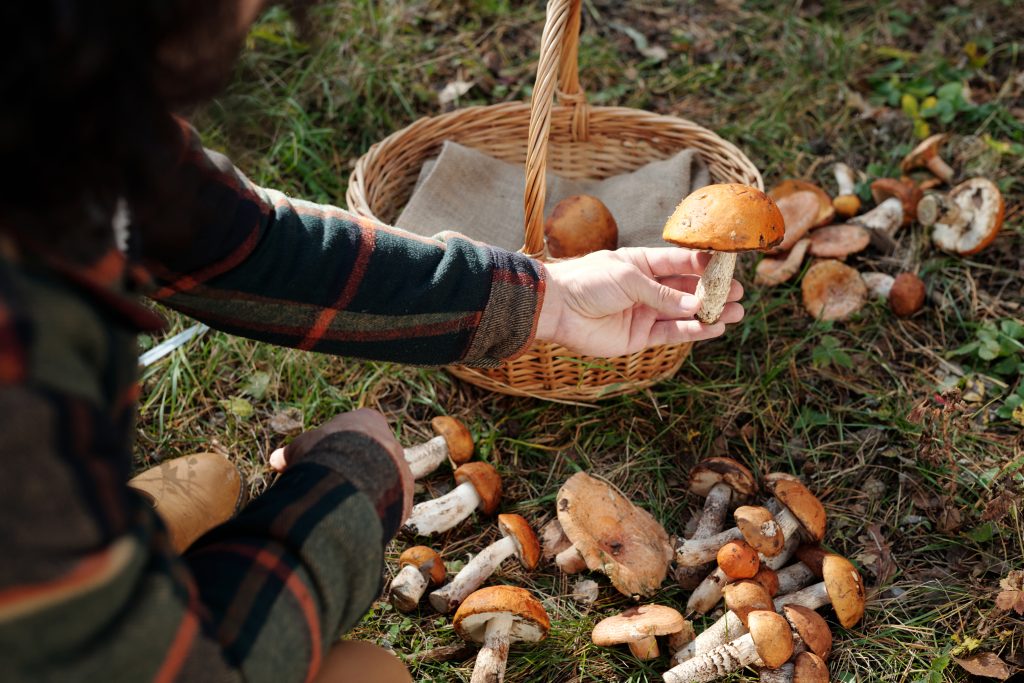
Can drought ruin a mushroom-picking trip? What does the autumn flush of mushrooms really depend on?
18
Sep
Sep
September has arrived – the mushroom-picking season has already started. In their spare time, many of us will head to the forest to gather the bounty nature provides. But what is the situation like this year? Will we find the woods empty? And what about the weather? Is there truth to the saying that something springs up “like mushrooms after rain” implying rapid growth?
Aktualności
Tropical nights in Poland. How do high nighttime temperatures accelerate the drying of the country?

01
Sep
Sep
In recent years, high daytime temperatures during summer have become the norm in our country. Progressive climate change is also causing an increase in minimum air temperatures. This phenomenon is known as tropical nights. They occur when the minimum nighttime temperature does not fall below 20°C (68°F). Until recently, warm, even scorching, evenings were associated primarily with trips to Mediterranean countries. Today, however, this phenomenon is becoming increasingly common in our climate, especially during longer and more intense heatwaves.
Aktualności
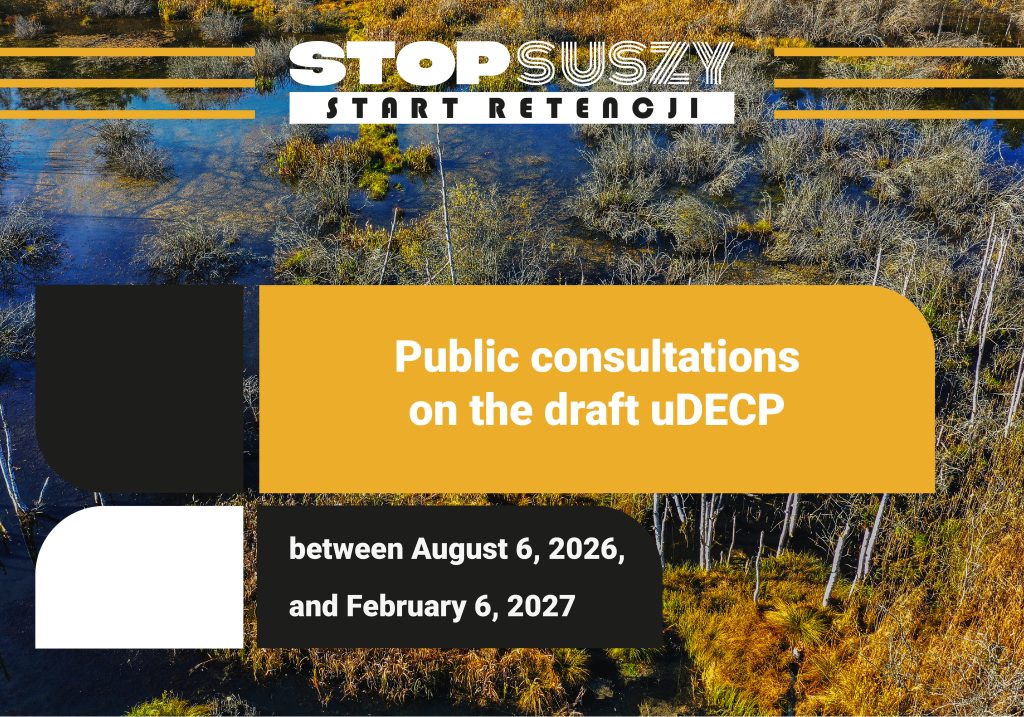
Public consultations on the draft update of the drought effects counteracting plan (uDECP)
19
Aug
Aug
Pursuant to Article 183 of the Water Law Act, counteracting the effects of drought is the responsibility of central and local government authorities and Polish Waters.
Counteracting the effects of drought is carried out in accordance with the drought effects counteracting plan (Article 184, paragraphs 1 and 2 of the Water Law Act).
The drought effects counteracting plan was adopted by Regulation of the Minister of Infrastructure dated July 15, 2021 (Journal of Laws of 2021, item 1615).
According to the Water Law Act, this document is subject to update at least every six years. The draft drought effects counteracting plan and its updates, in accordance with Article 185, paragraphs 1, 8, and 9, are prepared by Polish Waters.
Pursuant to Article 39, paragraph 1 of 3 October 2008 on providing information on the environment and its protection, public participation in environmental protection and environmental impact assessments (Journal of Laws of 2026, item 670) The Minister of Infrastructure hereby announces the commencement of public consultations on the draft update of the drought effects counteracting plan (uDECP).
17
Jul
Jul
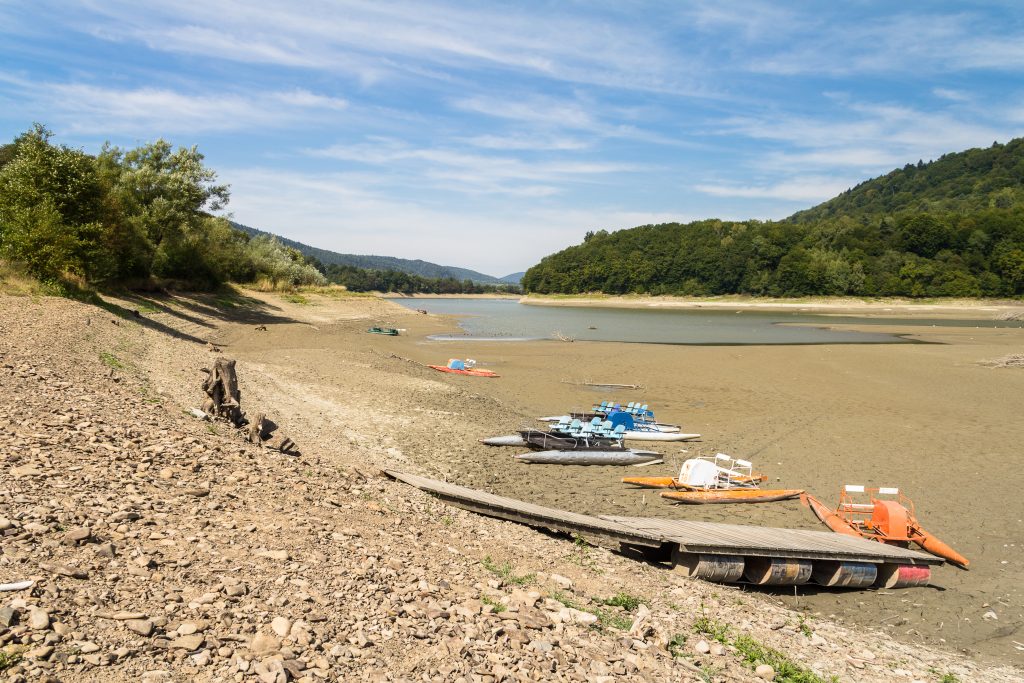
The long-awaited summer has arrived – sun, vacations, and high temperatures. After a long winter that surprised us with more snow and lower temperatures than in recent years, we can finally enjoy some fresh air, drink iced lemonade, and put on short sleeves. However, summer isn’t just about sunshine, vacations, and relaxation. It’s also the period when drought becomes more pronounced and noticeable, and can affect not only agriculture and the prices of fruit and vegetables . Drought can also affect our holiday plans.
Aktualności
“Stop Drought! Start Retention!” Is Poland at Risk of Desertification? Experts Will Respond in Gdańsk
30
Jun
Jun
Poland has entered another growing season with a water deficit. Dry, cracked soil and drying rivers are no longer regional anomalies, but a reality across large swaths of the country. The answer to these problems lies in the actions outlined in the currently updated Drought Effects Counteracting Plan. On June 17th – during the World Day to Combat Desertification and Drought – a conference will be held in Gdańsk under the slogan “Stop Drought! Start Retention! – Time to Act!”. Experts and practitioners will discuss real and necessary solutions.

27
Apr
Apr
April 22nd marks International Earth Day. It’s a day that annually prompts reflection on the condition of the natural environment. This year’s theme, “Our Power, Our Planet,” resonates particularly strongly with one of today’s most serious challenges: the growing problem of drought and dwindling water resources. Access to water is no longer a given, and water itself is becoming a strategic asset whose availability requires conscious management. The theme, “Our Power, Our Planet,” reminds us that we are all responsible for our planet and that ordinary, everyday actions can counteract climate change, including the effects of drought.

20
Feb
Feb
The Winter Olympics celebrate the beauty of winter. Snow- and ice-covered surfaces allow us to enjoy many sports that are otherwise unavailable in summer, with its high temperatures. Unfortunately, these landscapes are most vulnerable to the dramatic effects of climate change. For years, many winter sports have struggled with a lack of snow, and it has become commonplace to see snow lying only on the ski slope or ski jump, while the surrounding area lacks snow. Rising temperatures, melting glaciers, irregular snowfall, and increasing water shortages are rapidly transforming ecosystems worldwide. In this context, the Winter Olympics can no longer be viewed solely as a sporting event; they are becoming an important arena for environmental responsibility and climate action.
07
Oct
Oct
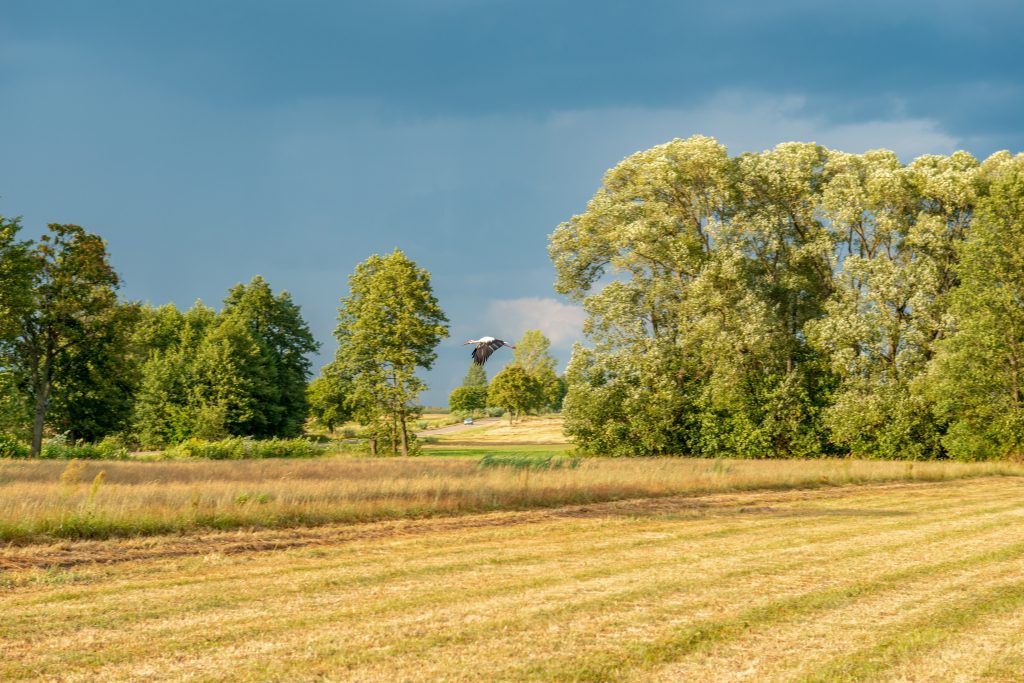
The summer of 2025 was a particularly contrasting period in Poland in terms of water balance. Although the water balance indicator itself is complex and takes into account both inflows (including atmospheric precipitation, surface and groundwater recharge) and losses (evaporation, plant transpiration, surface runoff), in practice its development depends primarily on precipitation and air temperature, which influences the intensity of evapotranspiration (including evaporation from soil surfaces and water bodies, as well as plant transpiration).
03
Sep
Sep
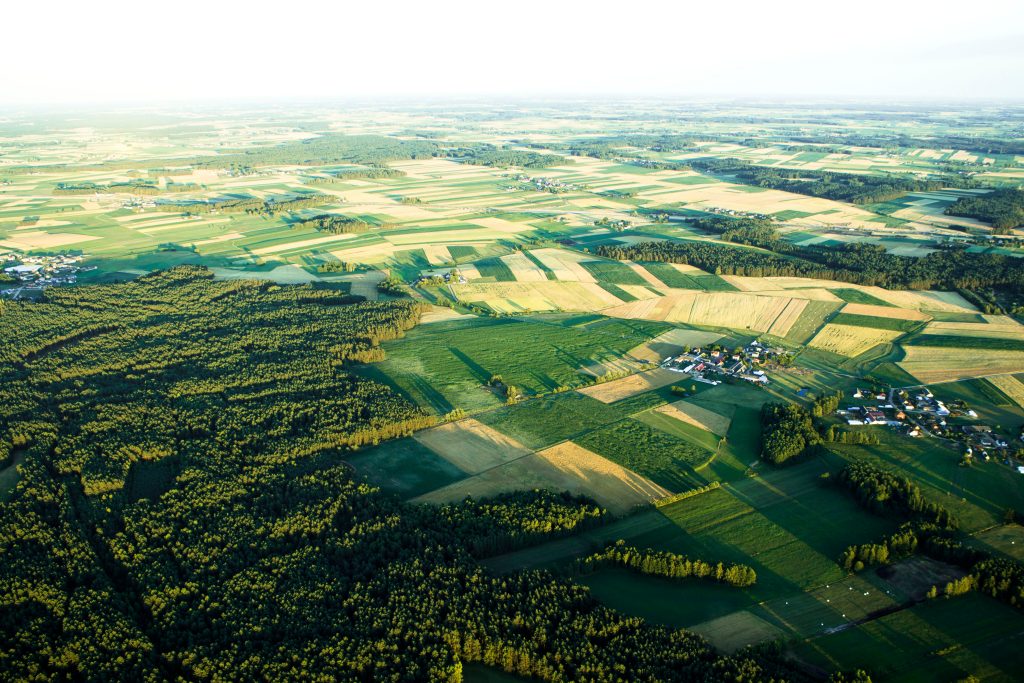
This year’s harvest has concluded. It’s a good time to review current practices and consider what we can do to improve soil health, increase drought resistance, and manage water more sustainably, as well as how to prepare for the next harvest. We discuss this with Patryk Kokociński, a farmer who irrigates his fields naturally, utilizing landscape retention water. Thanks to his efforts, the “Życie na Pola!” Association for the Protection of Mid-Field Landscape was also established.
- 1
- 2