
 PL
PL


The Winter Olympics celebrate the beauty of winter. Snow- and ice-covered surfaces allow us to enjoy many sports that are otherwise unavailable in summer, with its high temperatures. Unfortunately, these landscapes are most vulnerable to the dramatic effects of climate change. For years, many winter sports have struggled with a lack of snow, and it has become commonplace to see snow lying only on the ski slope or ski jump, while the surrounding area lacks snow. Rising temperatures, melting glaciers, irregular snowfall, and increasing water shortages are rapidly transforming ecosystems worldwide. In this context, the Winter Olympics can no longer be viewed solely as a sporting event; they are becoming an important arena for environmental responsibility and climate action.
Tag Archives: stop drought
Feb
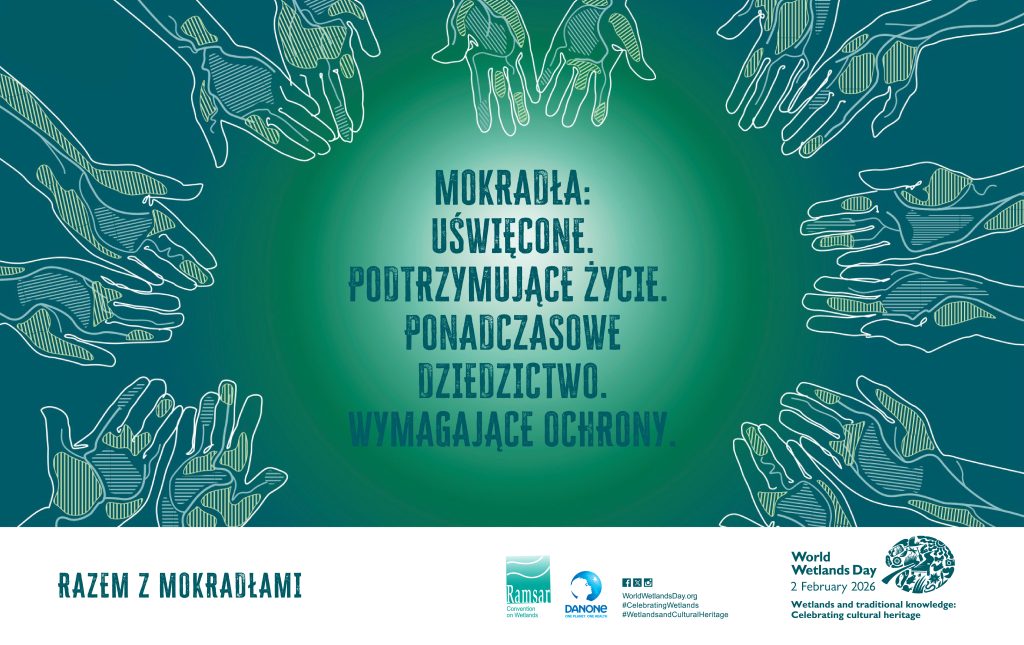
Traditionally, World Wetlands Day is celebrated worldwide on February 2nd. This international holiday was established to highlight the crucial role of wetlands in the functioning of ecosystems and the protection of water resources. This date commemorates the signing in 1971 of the Ramsar Convention – one of the oldest global environmental agreements aimed at protecting wetlands of international importance.
Aktualności
Christmas Menu and the Problem of Drought. How Do Our Food Choices Affect Water Resources?

Dec
The holidays are a time of tradition, lavish feasts, and culinary rituals passed down from generation to generation. However, in the throes of preparation, we often don’t have the time to consider how our holiday food choices and the amount of food we prepare impact the natural environment, especially water resources. With the global water crisis growing and the drought in Poland becoming increasingly serious, our food choices are becoming increasingly important – not just what we eat, but also how much we prepare and how much we throw away. Every food product has a “water footprint,” or the amount of water used to produce it, from the field to the moment it reaches our plate.
Dec
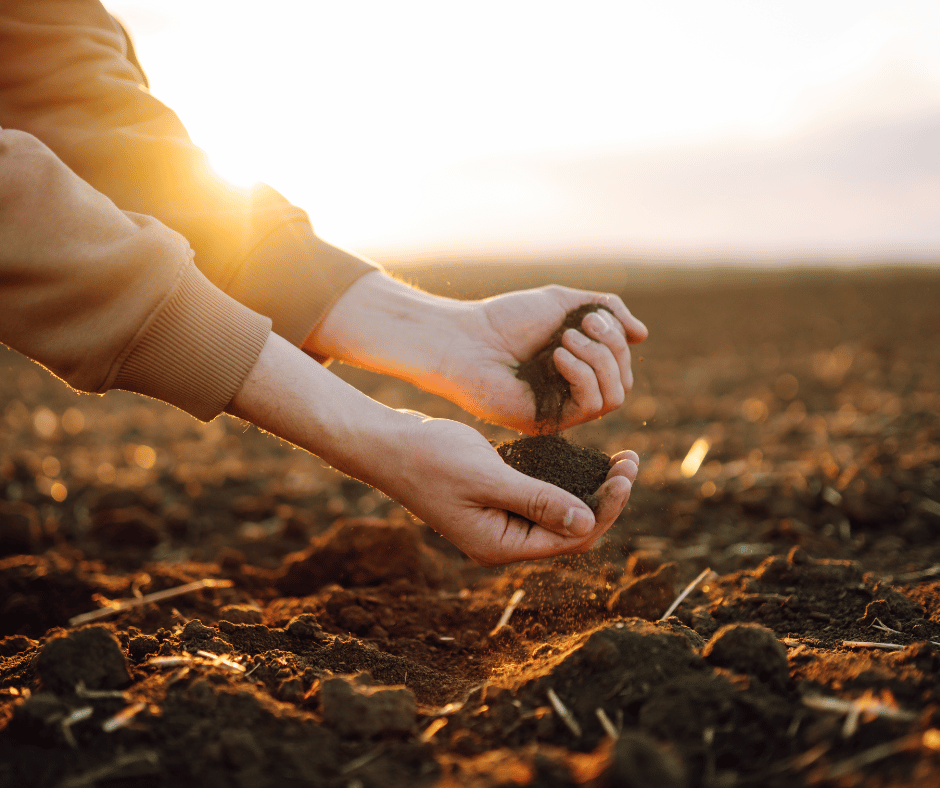
Soil plays an invaluable role in nature. It provides space for plants to grow, stores water, filters pollutants, and supports countless biological processes. It is the foundation of our food security, the key to a stable water cycle, and a natural barrier protecting ecosystems from degradation. However, we don’t always remember this.
Oct
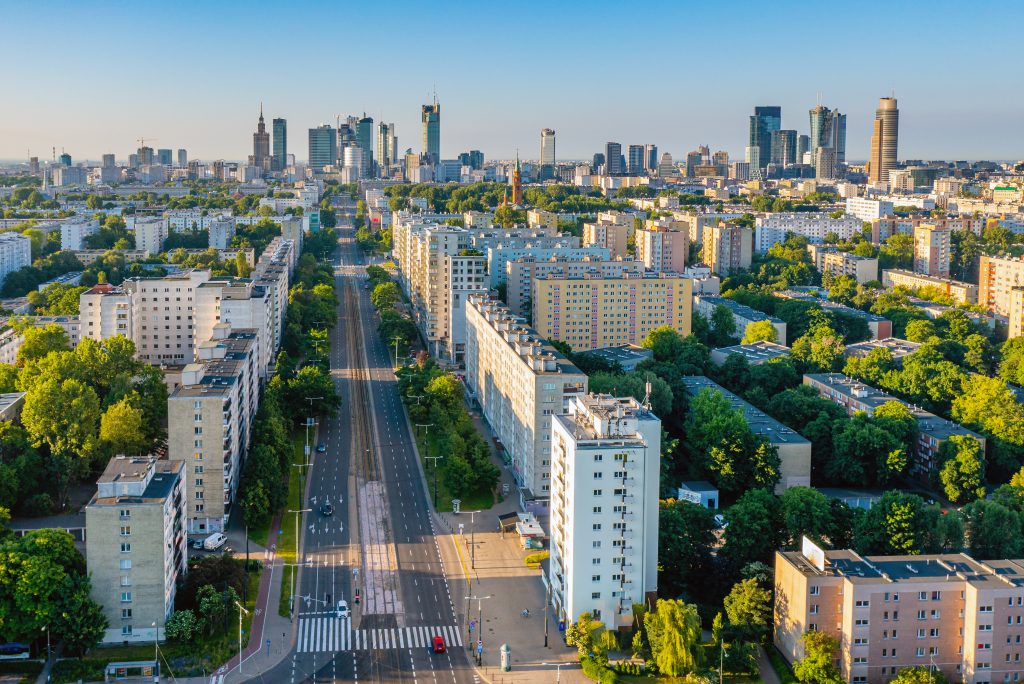
On October 20th, we celebrate International Landscape Protection Day, established by the Council of Europe at the initiative of Poland. This date was chosen to commemorate the signing of the European Landscape Convention in Florence in 2000. The General Directorate for Environmental Protection proposed establishing this day because, then and now, its goal is to raise public awareness of the value of landscape, its impact on quality of life, and the need for its protection.
Oct
We usually associate drought with summer – with parched lawns, wilting plants, and the need for frequent watering. However, we must remember that the problem of soil water deficiency affects all seasons. Although autumn is often perceived as a time of frequent rains and a respite from gardening, it is actually a crucial time to prepare the garden and farm for the coming season. Now is the time to take steps to better retain water, store it, and improve plant health in the coming months.
Oct
The summer of 2025 was a particularly contrasting period in Poland in terms of water balance. Although the water balance indicator itself is complex and takes into account both inflows (including atmospheric precipitation, surface and groundwater recharge) and losses (evaporation, plant transpiration, surface runoff), in practice its development depends primarily on precipitation and air temperature, which influences the intensity of evapotranspiration (including evaporation from soil surfaces and water bodies, as well as plant transpiration).
Sep
September is not only the beginning of the school year, but also an ideal opportunity to reconsider the challenges facing each of us. The beginning of 2025 was very dry – many regions of Poland experienced a lack of rain, rivers and lakes reached record lows, and farmers and gardeners struggled with water shortages. Such phenomena have become increasingly frequent in recent years, and forecasts indicate that drought could be one of the greatest challenges of the 21st century.
Sep
This year’s harvest has concluded. It’s a good time to review current practices and consider what we can do to improve soil health, increase drought resistance, and manage water more sustainably, as well as how to prepare for the next harvest. We discuss this with Patryk Kokociński, a farmer who irrigates his fields naturally, utilizing landscape retention water. Thanks to his efforts, the “Życie na Pola!” Association for the Protection of Mid-Field Landscape was also established.
Aug
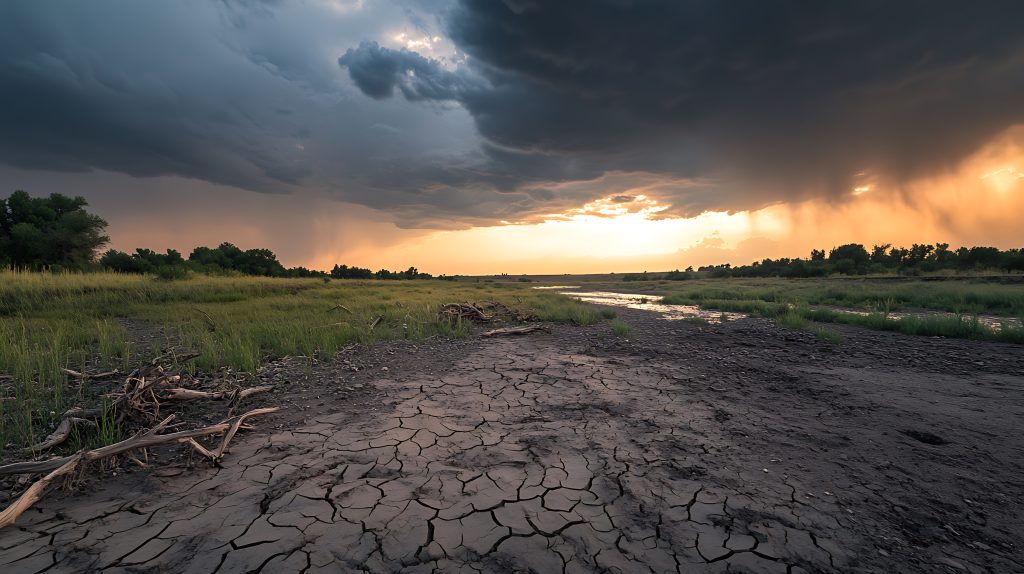
A few hours of rain are enough for lawns to turn green and flowers to bloom. For this reason, many people believe that drought is an easily reversible problem, and that a week of heavy rain is enough to stave off a prolonged drought. However, hydrology isn’t so simple. Drought is a complex, multi-stage, and often hidden phenomenon, and its reversal depends not solely on the previous week’s weather. Short-term rainfall isn’t enough to address the consequences of drought. But what does effective “irrigation” actually look like?