
 PL
PL

Drought is one of the most serious environmental challenges we currently face in Poland and worldwide. Experts in hydrology, climatology, agriculture, and water management agree – the problem is growing and it is long-term. Increasingly frequent and prolonged periods without rainfall, rising temperatures, and climate change are leading to lower groundwater levels, drying up of rivers and lakes, and deteriorating conditions for agriculture and ecosystems.
Experts agree that drought is not just a lack of rain. It is also the result of improper water management, excessive drainage, and limited retention. According to experts, systemic measures are crucial: retaining water in the landscape, protecting wetlands, appropriate spatial planning, and changes in agriculture and water management.
Drought isn’t just a problem for farmers. It also affects foresters, businesses who use big amounts of water in their factories, and even residents. Some areas of Poland are less affected by flooding than others, however, no area is completely immune from drought.
Since the best way to counteract the effects of drought is retention (keeping rainwater where it falls), the document Polish Waters is developing as part of the “Stop Drought! Start Retention!” project – an update to the Drought Effects Counteracting Plan (uDECP) – is crucial. Its purpose is to refine plans related to actions that should be taken to prevent drought and minimize its effects if it does occur. The project was co-financed by the European Funds for Infrastructure, Climate, and Environment for 2021-2027.
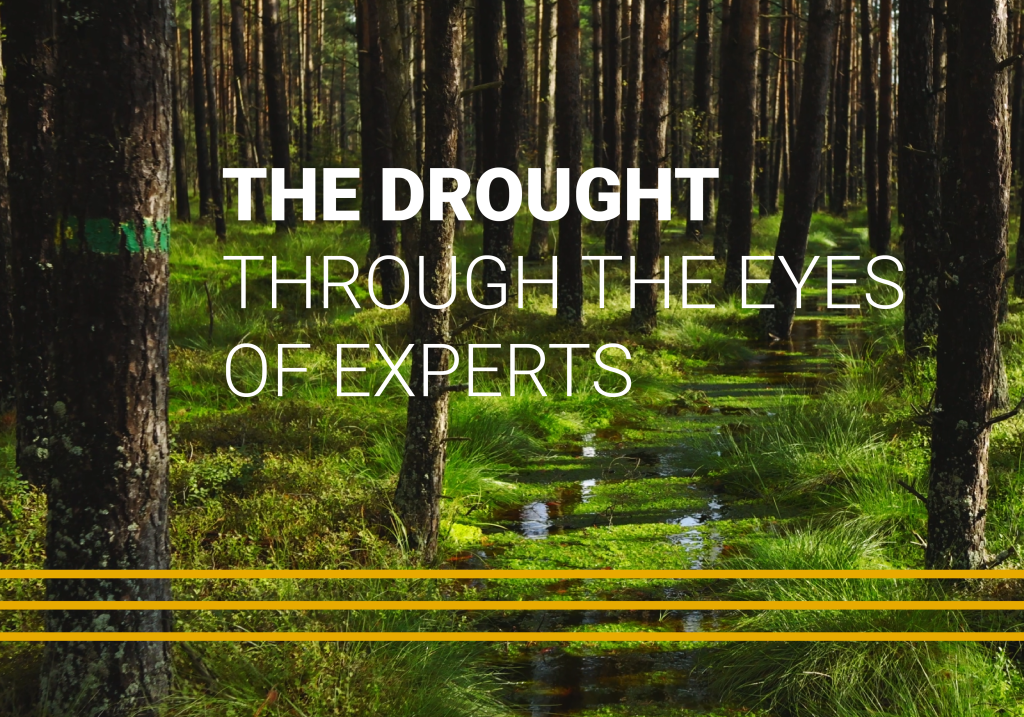
So what should we do to effectively manage drought? What are the greatest threats associated with it? In the latest video on the “Stop Drought!” channel, we examine how experts assess the drought problem, what they believe the causes of the current situation are, and what solutions they consider necessary to mitigate the effects of water shortages – both today and in the future.
In the video, you’ll have the opportunity to hear advice and opinions from experts:
– Adrian Kołczewiak, Polish Waters
– Sebastian Szklarek, ecohydrologist
– Patryk Kokociński, farmer and biologist
– Marta Petrynik, State Forests
The video contains a wealth of useful information about why we need water retention, how it works, and what practices are the best to retain water in the landscape. One of the methods described for storing water in the soil is natural and artificial wetlands, which are unparalleled in supporting the water balance of local landscapes.
In our search for the best solutions, we look to other countries – Spain and Portugal – where retention systems have been used for years. We learn from them how to best retain and utilize water resources. It is one of the topics we mention in the new video on our YouTube channel. Furthermore, we discuss local methods implemented by Polish farmers that are yielding the greatest benefits. One of these is the restoration of organic matter, which counteracts soil depletion.
The video also discusses forests in Poland – the problems they face and how foresters can address them. After all, drought isn’t a problem that ends with croplands – it also impacts forests. Additionally, the YouTube material includes information on small-scale mountain and lowland retention, as well as riverbed retention.
Water scarcity impacts agriculture, the environment, the economy, and our quality of life. One of the key measures to counteract its effects is retention – both in large systems and through local solutions. A video is available on our YouTube channel which presents specific measures to support water retention in an accessible yet informative way. We encourage you to watch and reflect – because adapting to climate change begins with knowledge and informed decisions.
We also explore the topic of drought and retention in our podcasts → https://stopsuszy.pl/podcasty/
