
 PL
PL

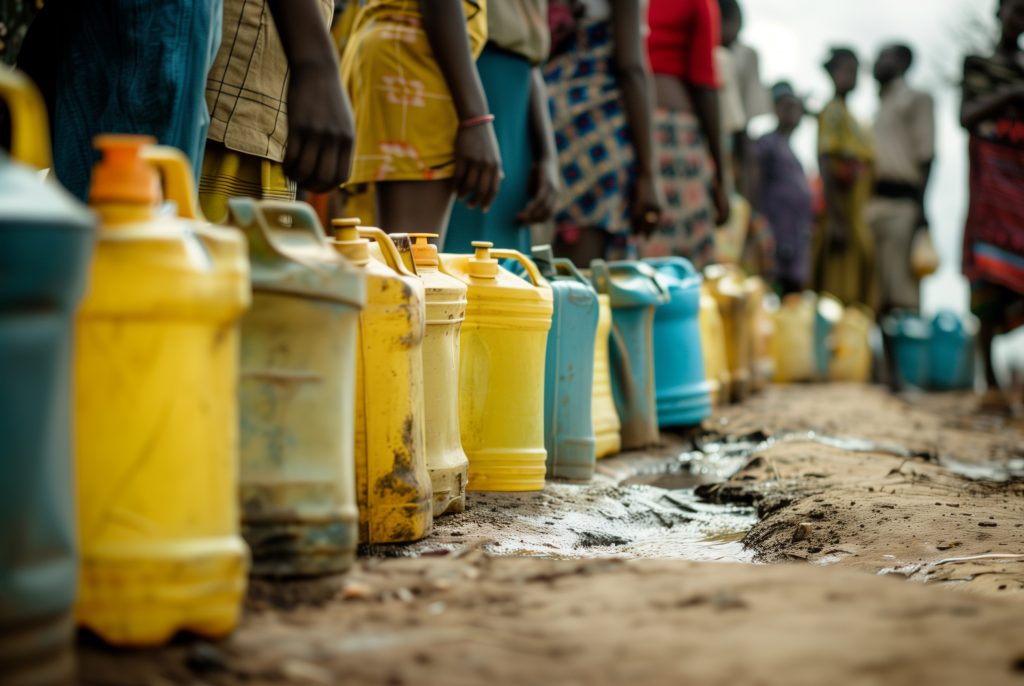
In 1992, in Rio de Janeiro ,the UN General Assembly designated March 22nd as World Water Day. While any time is a good time to discuss water shortages and retention, this holiday is the perfect opportunity to combine knowledge, debate, and action. After all, water is the foundation of life, a strategic resource, and a prerequisite for stable social and economic development. Therefore, a systemic approach to water management, developed jointly by the government, local governments, and all citizens, is crucial.
Category Archives: Aktualności
20
Mar
Mar
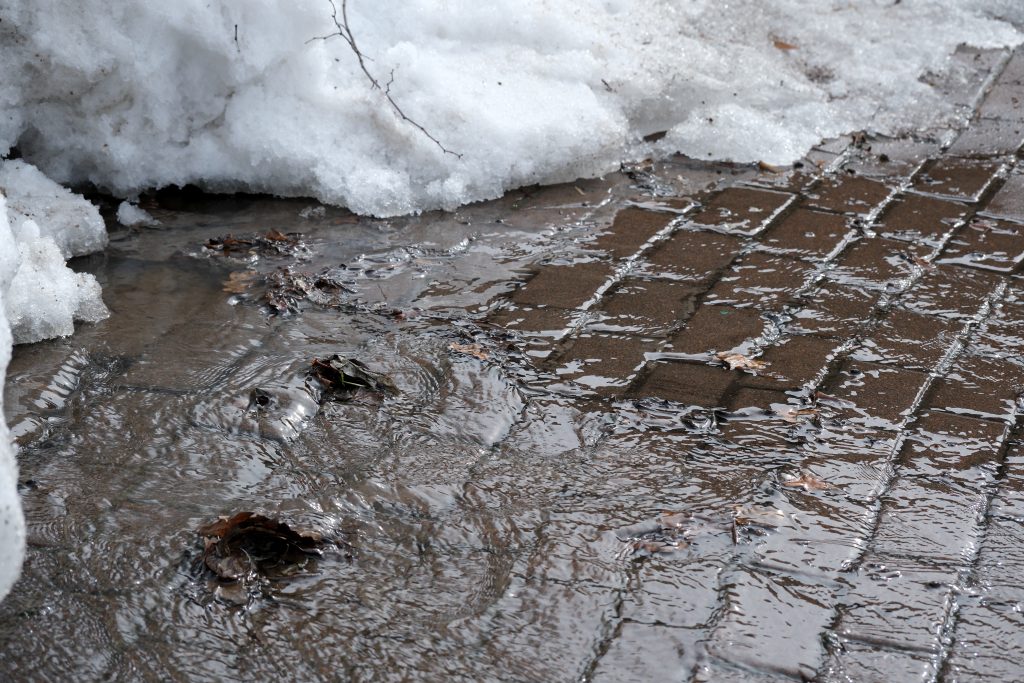
Changes in winter weather and climate – less stable snowpack, more frequent snowmelt, and more rainfall in winter – have direct consequences for urban water management. Problems often arise due to a lack of knowledge about how to properly manage snowmelt. The best solution to this problem is retention and blue-green infrastructure that help manage excess water. Therefore, cities must invest in retention solutions.

20
Feb
Feb
The Winter Olympics celebrate the beauty of winter. Snow- and ice-covered surfaces allow us to enjoy many sports that are otherwise unavailable in summer, with its high temperatures. Unfortunately, these landscapes are most vulnerable to the dramatic effects of climate change. For years, many winter sports have struggled with a lack of snow, and it has become commonplace to see snow lying only on the ski slope or ski jump, while the surrounding area lacks snow. Rising temperatures, melting glaciers, irregular snowfall, and increasing water shortages are rapidly transforming ecosystems worldwide. In this context, the Winter Olympics can no longer be viewed solely as a sporting event; they are becoming an important arena for environmental responsibility and climate action.
09
Feb
Feb
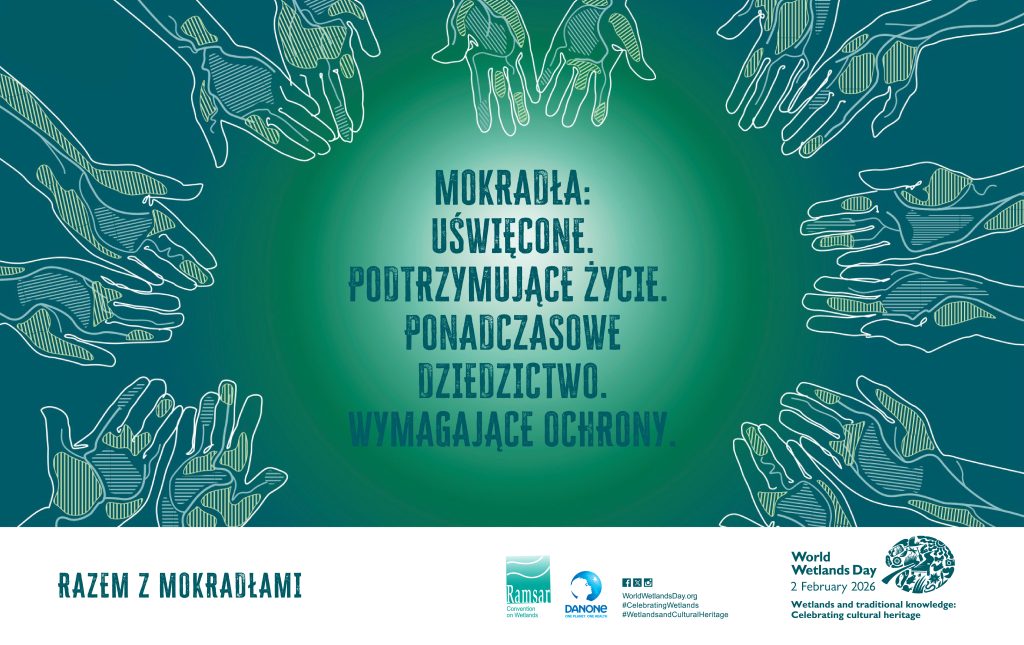
Traditionally, World Wetlands Day is celebrated worldwide on February 2nd. This international holiday was established to highlight the crucial role of wetlands in the functioning of ecosystems and the protection of water resources. This date commemorates the signing in 1971 of the Ramsar Convention – one of the oldest global environmental agreements aimed at protecting wetlands of international importance.

30
Jan
Jan
Winter in Polish climate conditions presents particular challenges for water management – both nationwide and for individual households. Due to climate change, natural water retention is not as effective as it was just a decade ago. Furthermore, low outdoor temperatures and intensive building heating make water resources vulnerable to losses. Although the heating season isn’t directly associated with water shortages, winter is a time of significant unnecessary losses in homes – often unnoticed, but significant throughout the year.
30
Jan
Jan
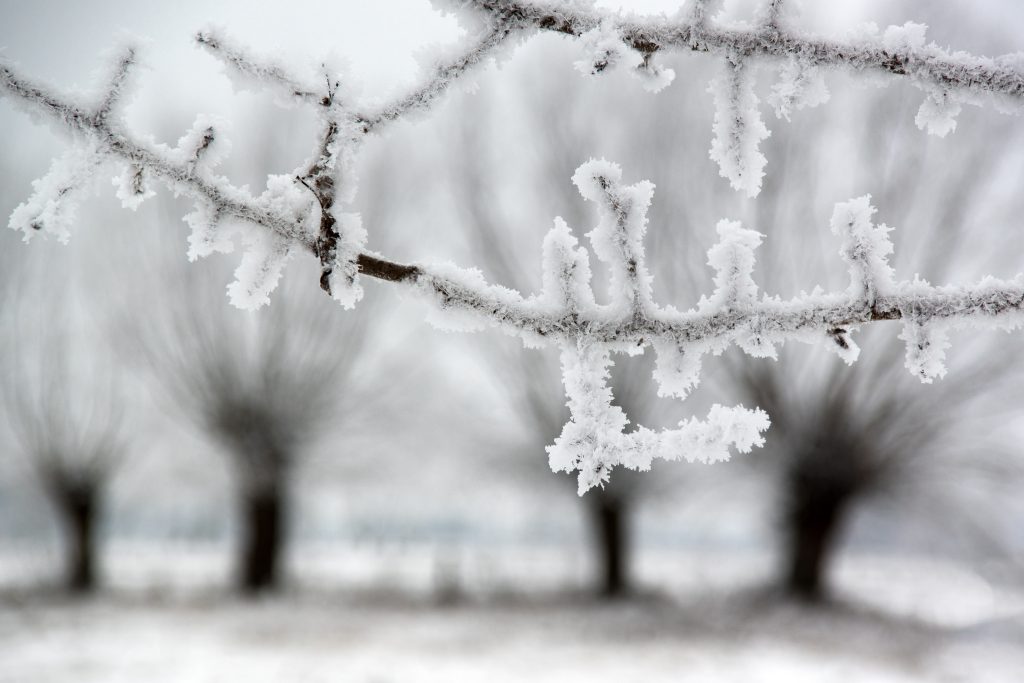
Winter plays a key role in water balance. It’s during this time that nature “recharges” its batteries for spring and summer. When snow and ice cover the ground, it doesn’t mean water retention is impossible. On the contrary, water is stored in many different ways during winter. However, the increasingly frequent warm, snowless winters are seriously disrupting this natural mechanism.
Aktualności
Christmas Menu and the Problem of Drought. How Do Our Food Choices Affect Water Resources?

22
Dec
Dec
The holidays are a time of tradition, lavish feasts, and culinary rituals passed down from generation to generation. However, in the throes of preparation, we often don’t have the time to consider how our holiday food choices and the amount of food we prepare impact the natural environment, especially water resources. With the global water crisis growing and the drought in Poland becoming increasingly serious, our food choices are becoming increasingly important – not just what we eat, but also how much we prepare and how much we throw away. Every food product has a “water footprint,” or the amount of water used to produce it, from the field to the moment it reaches our plate.
09
Dec
Dec
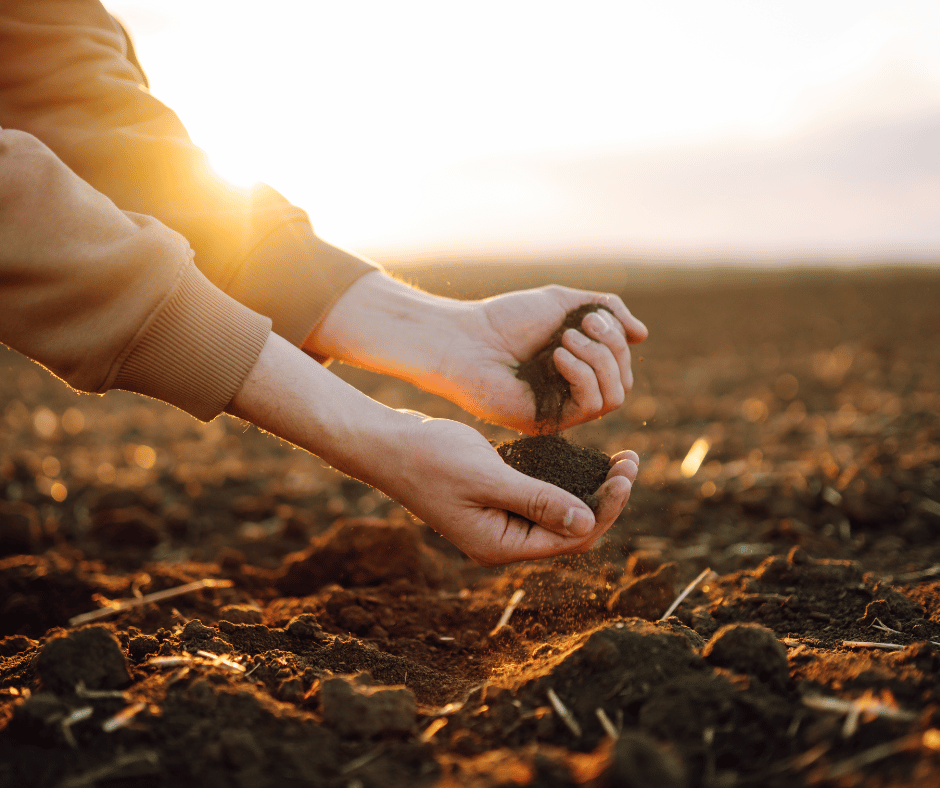
Soil plays an invaluable role in nature. It provides space for plants to grow, stores water, filters pollutants, and supports countless biological processes. It is the foundation of our food security, the key to a stable water cycle, and a natural barrier protecting ecosystems from degradation. However, we don’t always remember this.
26
Nov
Nov
Water is one of the most extraordinary chemical compounds on Earth. Although it surrounds us in our daily lives, we often forget how limited its resources are and how easily its delicate hydrological balance can be disrupted.
18
Nov
Nov
COP30 will take place in Belém, Brazil, from November 10th to 21st, 2025. This is the annual UN Conference of the Parties on Climate Change and a key element of the global climate debate. During this time, the Blue Zone will host a dedicated space dedicated to water as a key climate factor: the Water for Climate Pavilion.