
 PL
PL

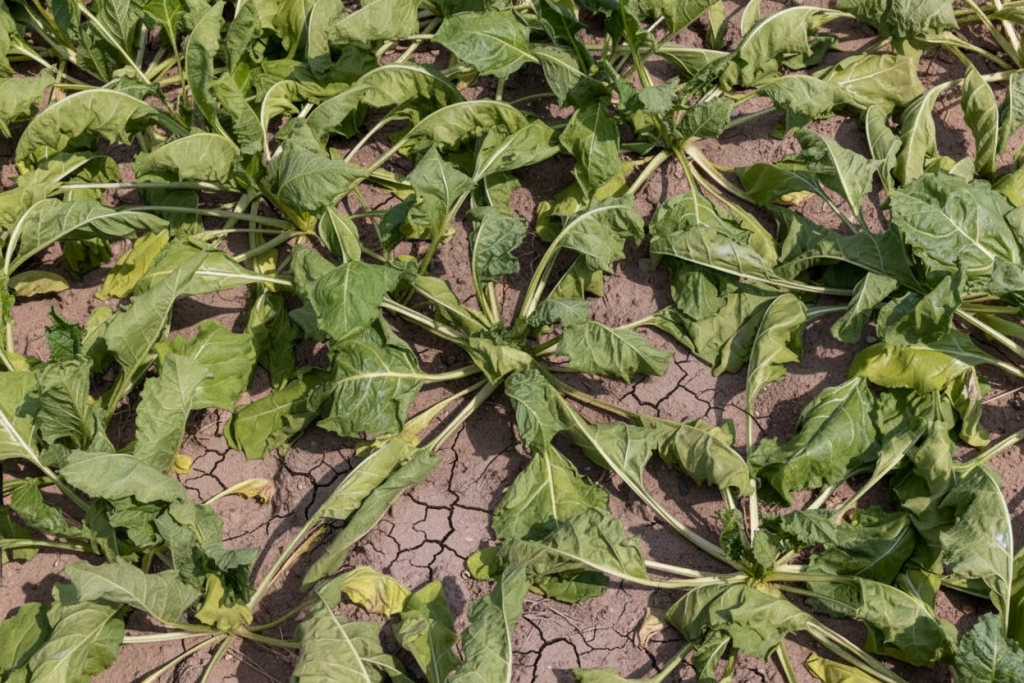
Both in Poland and around the world, we are increasingly grappling with the problem of a lack of or significantly reduced rainfall. Periods without rain often stretch on for weeks, exacerbating the drought. Until recently, we faced this problem primarily in summer, but in recent years, drought and a lack of rainfall have been making their presence felt as early as in the first weeks of spring. This situation increases the risk of drought, causing the baseline situation at the beginning of the year to worsen year after year. This means that in subsequent years, the problem of low water levels appears earlier and affects an increasingly larger area, and even a single episode of a snowier winter cannot improve the situation.
Drought is one of the most disturbing stress factors for plants. Water shortages in spring can be even more dangerous for them than in summer. The beginning of the growing season is a crucial time for plant development. For the well-being of the natural environment, this is a moment not to be missed.
The best way to combat drought is to limit water loss and invest in water retention, which help reduce the effects of drought and prevent plant wilting. Therefore, water storage during the fall and winter is crucial. This means that developing plants are less susceptible to moisture stress in spring. The lack of rainfall and soil water resources after a snowless winter results in dry soil, which warms up more quickly and loses water, limiting plant access to this resource.
The effects of spring drought can be visible throughout the season. Weakened plants are less able to withstand subsequent heat waves, which are already a significant challenge. Additionally, water shortages at the very beginning of the growing season can limit yields and flowering. This is a crucial issue, as the lack of high yields significantly reduces the amount of food reaching stores and our tables.
The Problem of Abiotic Stress
Drought is a prolonged period of lack of precipitation or significant deficit of it. This can be caused by many factors, including:
- insufficient snowfall, resulting in little snowmelt and insufficient soil water
- few permeable surfaces allowing water to accumulate in the soil, which could evaporate during warm periods
- climate change, disrupting familiar weather patterns
Prolonged drought can also lead to a problem known as abiotic stress.
Abiotic stress is the adverse impact of environmental factors (e.g., prolonged drought, high air temperature, frost) on plant growth and development. Due to dry soil, plants are unable to absorb sufficient nutrients, resulting in their withering. Water deficiency also limits photosynthesis, resulting in limited or stunted plant growth. Because a lack of soil moisture slows root and shoot growth, young plants are particularly vulnerable.
Drought during the Growing Season and Plant Development
Drought can be observed in many areas. Particularly visible symptoms of water stress in plants include:
- wilting
- leaf curling
- stunted growth
- poor flowering and fruiting
Plants weakened by drought are more susceptible to disease, and soil deprived of organic matter from plants dries out more quickly. This leads to numerous problems faced by local farmers, which later impact us. What’s more, the effects of drought can also affect gardeners.
Vegetables are particularly sensitive to water shortages, especially during germination, flowering, and harvesting. Drought causes stunted growth, reduced yields, and reduced vegetable quality. Plants may have smaller fruit, less developed roots or leaves, and wilt more quickly. Water shortages also affect the flavor and nutritional value of vegetables.
Lawns react very quickly to lack of rainfall and high temperatures. Symptoms of water stress include yellowing, drying, and loss of blade elasticity. Prolonged drought leads to thinning of the turf and weakening of the root system. A heavily mowed lawn copes more poorly with water shortages, is more susceptible to evaporation, and loses its ability to regenerate more quickly.
Drought impairs the development of trees and shrubs, especially young species with less developed root systems. Water shortages restrict growth, reduce leaf development, and can lead to premature leaf and fruit shedding. Weakened plants become more susceptible to diseases and pests. Prolonged drought can also lead to shoot dieback.
Ornamental plants lose their aesthetic value during drought – they flower less, develop smaller leaves, and wilt more quickly. Water shortages are particularly detrimental to species with shallow root systems and plants grown in containers, where the soil dries out much more quickly. Water stress can shorten the flowering period and limit the development of new shoots.
How to Combat Drought in your Household?
The positive news is that each of us can, and indeed should, contribute to reducing the water crisis in Poland. Examples of good practices include:
- collecting and reusing rainwater
- mulching the soil
- watering less frequently but thoroughly
- watering in the morning or evening, rather than during the hottest months
- increasing the humus content in the soil
- planting drought-resistant plants
- limiting lawn mowing during hot weather
- creating water retention gardens
Small-scale water retention and retaining water where it falls help mitigate the effects of drought, both in gardens and locally. To learn more about how each of us can protect water resources, we invite you to read the articles on the “Stop Drought! Start Retention!” project website.
The importance of water retention and conscious water management is crucial in the context of drought and lack of precipitation. After all, water shortages, as discussed in this article, lead to plant drying and, consequently, to a reduction in available food. Therefore, each of us should take conscious steps to reduce unnecessary water consumption and contribute to reducing water stress before it’s too late. Together, let’s say: “Stop Drought! Start Retention!”
