
 PL
PL

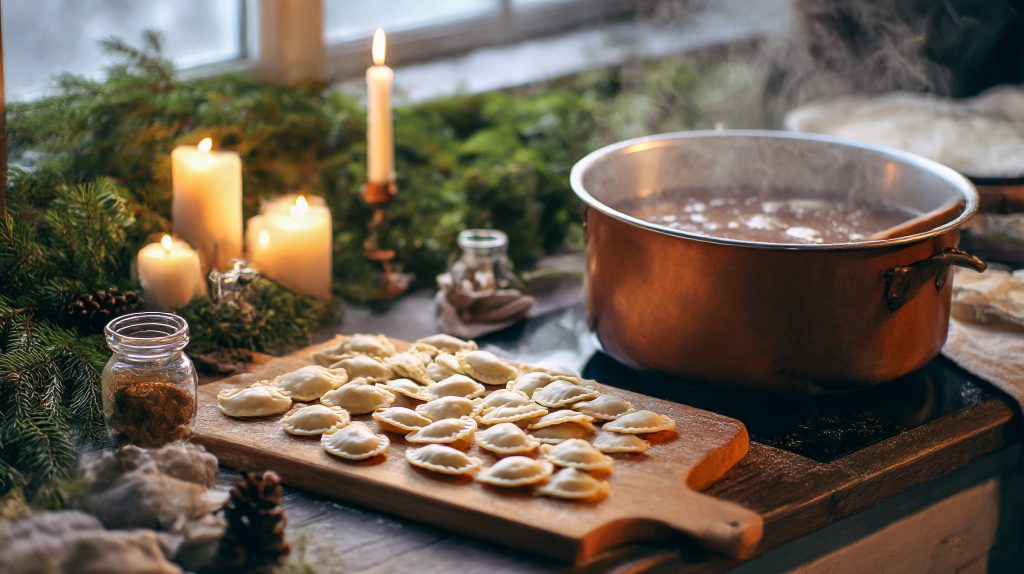
The holidays are a time of tradition, lavish feasts, and culinary rituals passed down from generation to generation. However, in the throes of preparation, we often don’t have the time to consider how our holiday food choices and the amount of food we prepare impact the natural environment, especially water resources. With the global water crisis growing and the drought in Poland becoming increasingly serious, our food choices are becoming increasingly important – not just what we eat, but also how much we prepare and how much we throw away. Every food product has a “water footprint,” or the amount of water used to produce it, from the field to the moment it reaches our plate.
The Water Footprint on the Holiday Table
Food production is one of the most water-intensive sectors of the economy. It’s estimated that globally, it accounts for approximately 70% of freshwater consumption. This problem is further exacerbated during the holiday season, as we cook far more than we can eat. As a result, refrigerators are overflowing after the holidays, and much of the food ends up in the trash. In practice, this means that the holiday excess not only burdens household budgets and causes gastrointestinal problems, but also significantly increases water consumption, contributing to the deepening water crisis.
1. Animal Products – The Highest Impact
Meat and dairy products have a particularly high water footprint because water is used not only directly but also indirectly, for example, in feed production.
- Beef: approximately 15,000 liters of water per 1 kg of meat
- Pork: approximately 6,000 liters per 1 kg
- Poultry: approximately 4,000 liters per 1 kg
- Butter: approximately 5,500 liters per 1 kg
- Cheese: up to 5,000 liters per 1 kg
Traditional dishes such as roasts, pâté, hunter’s stew with a large amount of meat, or cheesecakes made with cottage cheese, therefore, involve significant water consumption that is not immediately apparent.
2. Plant-based Foods – a Much Smaller Water Footprint
In comparison, plant-based foods are significantly less burdensome on water resources:
- Potatoes: approximately 300 liters of water per 1 kg
- Cabbage: approximately 200-300 liters per 1 kg
- Grains (e.g., wheat): approximately 1,300 liters per 1 kg
- Legumes: approximately 1,500-2,000 liters per 1 kg
This means that traditional fasting dishes, such as cabbage with mushrooms, red borscht, peas with cabbage, or pierogi with cabbage, are much more environmentally friendly.
3. It’s Worth Realizing that:
- throwing away a kilogram of food isn’t just a waste of money,
- it also wastes hundreds or thousands of liters of water used to produce it, which were used unnecessarily
- the more processed and rich the food, the larger its water footprint
So it’s not just about whether meat or plant-based food appears on the table, but about whether we prepare a reasonable amount of each.
Drought and Our Daily Decisions
These days, we are often faced with agricultural and hydrological droughts, which directly impact our food security. The more water resources we use for food production, the more we exacerbate the problem of water scarcity, especially in regions where access to water is limited.
Consumer choices, including those during the holidays, send a clear message to producers and directly influence the market situation. Reducing demand for the most water-intensive products can, in the long term, significantly reduce supply, and consequently, increase our water security. Holidays, therefore, become a time when our individual decisions have a collective impact – not only on the environment but also on the future availability of food and water.
How to Prepare a Holiday Menu that Is Less Harmful to the Environment?
This isn’t about abandoning tradition, but about making conscious changes that will often slightly modify our current habits. From the perspective of drought, reducing food waste is one of the simplest and most effective actions we can take without changing traditions or giving up our favorite dishes.
Here are some practical rules:
1. Reduce food waste
Planning portions, using leftovers, and sharing excess food has a real impact on combating water shortages.
2. Give holiday dishes a second life
Leftovers can be frozen, processed, or shared with others – this is a real saving of water and food.
3. Opt for traditional plant-based dishes
Polish holiday cuisine offers many naturally meatless dishes: borscht, cabbage with mushrooms, dumplings. These are full-fledged dishes, not just side dishes, so it’s worth treating them as such.
4. Reduce meat intake
Reducing meat portions or the number of meat dishes in favor of plant-based options significantly reduces the water footprint of the entire menu.
5. Choose local and seasonal produce
Imported produce often has a higher water footprint due to irrigation and transportation. Local vegetables, fermented foods, and grains are a much better choice.
6. Experiment with substitutes
Some ingredients can be replaced with less water-intensive alternatives, such as plant-based spreads instead of meat pâtés, or fruit-based desserts instead of cakes high in dairy.
Holidays in the Spirit of Responsibility
The problem of drought doesn’t take a holiday. It affects us all, even when we sit down to the Christmas table. Conscious dietary choices don’t detract from the holiday’s unique character, and can become an expression of concern for the future.
Every change, even a small one, matters. Holiday menus can be not only delicious but also responsible. And not at the expense of tradition. This is a good time to combine holiday reflection with real action to protect water resources. Small changes during the Christmas season will add up to points throughout the coming year.
