
 PL
PL

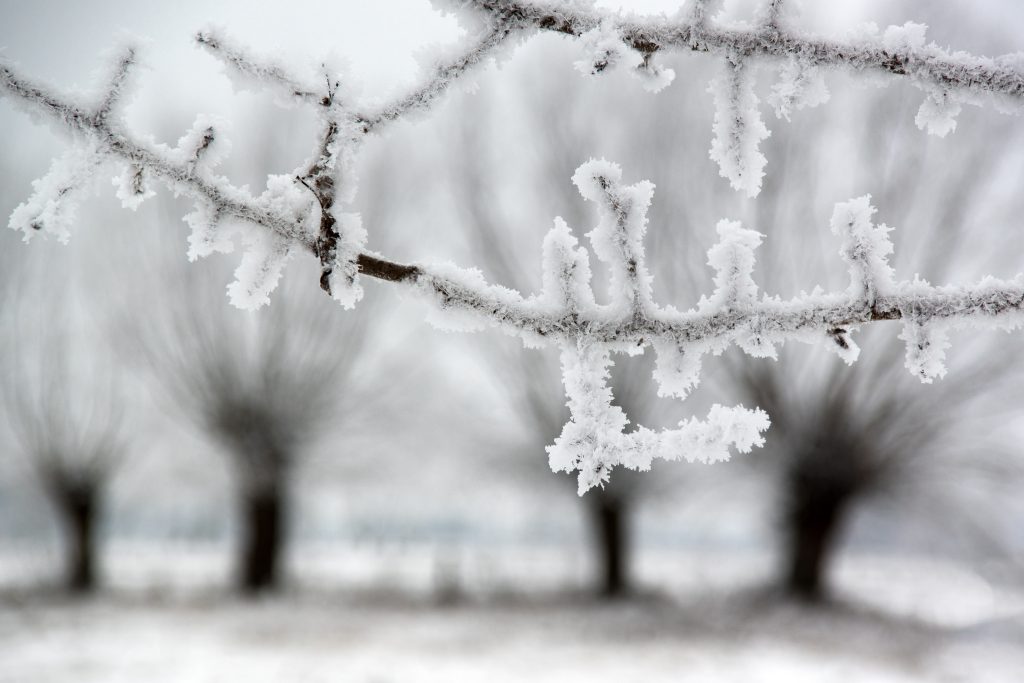
Winter plays a key role in water balance. It’s during this time that nature “recharges” its batteries for spring and summer. When snow and ice cover the ground, it doesn’t mean water retention is impossible. On the contrary, water is stored in many different ways during winter. However, the increasingly frequent warm, snowless winters are seriously disrupting this natural mechanism.
How Does Natural Winter Retention Work?
In traditional, cold winter climates, snow cover is the main water storage facility. Snow acts as a natural reservoir – it stores water for many weeks and then gradually releases it during the spring melt. During this process, water slowly seeps into the soil, replenishing groundwater and filling rivers and lakes without causing sudden floods. The rate of melt is crucial here. It’s important that this process isn’t rapid, causing fast runoff into rivers and creating a flood risk. Long-lasting snow cover and slow spring melt ensure a stable and efficient infiltration process.
When snow falls, water remains in a solid state, “waiting” for spring. This is a safe form of storage, preventing rapid evaporation and sudden, violent surface runoff. Frozen rivers and lakes also slow down water circulation. Ice limits evaporation and stabilizes water levels. Water still flows beneath the ice, but at a slower rate, which helps preserve resources in the landscape.
It’s important to note that the closer the snowmelt arrives to the beginning of spring vegetation, the better. Because water stored in the form of snow will be effectively used by regenerating plants, spring droughts can be avoided. In the case of January or February snowmelt, the stored water will also allow for the rebuilding of water resources, but its impact on reducing the risk of spring droughts will be relatively smaller.
What Do the Lack of Snow and High Temperatures Mean for the Water Balance?
Warm, snowless winters are changing the entire water retention system:
- precipitation increasingly falls as rain instead of snow
- water quickly flows into rivers and then to the sea instead of being stored
- there is a lack of spring recharge from snowmelt
- soils and groundwater are not sufficiently replenished
Moreover, higher winter temperatures increase evaporation. Plants that normally “rest” in winter may begin growing earlier and use up water when temperatures rise above freezing. And an unstable climate can lead to further problems. Specifically, the earlier growing season is often interrupted by several frosty days in March or April, when temperatures drop below 0 degrees Celsius again. This leads to the withering of plants that have already grown. Consequently, those used for food production produce small yields or none at all.
A snowless winter can deepen drought in spring, and it is happening increasingly often. Without snow, which naturally stores water, there is no reserve that can be released in spring. When the first warm, dry days arrive, the soil dries out quickly, plants lack moisture, and rivers and streams experience low water levels. It increases the risk of agricultural and hydrological drought in early spring. This means that, contrary to popular belief, drought does not begin in summer – it is often caused by winter, which failed to fulfill its role in water storage.
Winter as the Foundation of Water Security
Winter retention is one of the pillars of a stable water cycle. Snow, frost, and slow thaw form a natural system that for centuries has protected us from extreme weather events such as droughts and floods. Due to climate change in recent years, this is changing. Rainfall replacing snowfall may not be able to rebuild water resources as effectively after summer and autumn droughts.
However, all is not lost. We still have ways to help us store water. These include increasing landscape retention, protecting wetlands, forests, and soils, and taking other measures that retain water where it falls. In an era of changing climate and increasingly less regular rainfall, it is necessary to slow down the runoff of water, including meltwater, at every level to maximize the recovery of water resources.
The lack of snow is not just a problem for those longing for white Christmas and the frosty winters of their childhood. We already know that the effects of increasingly warm winters are felt year-round, not just from December to March. Therefore, we must ensure water retention in the landscape now, not just when droughts occur.
