
 PL
PL

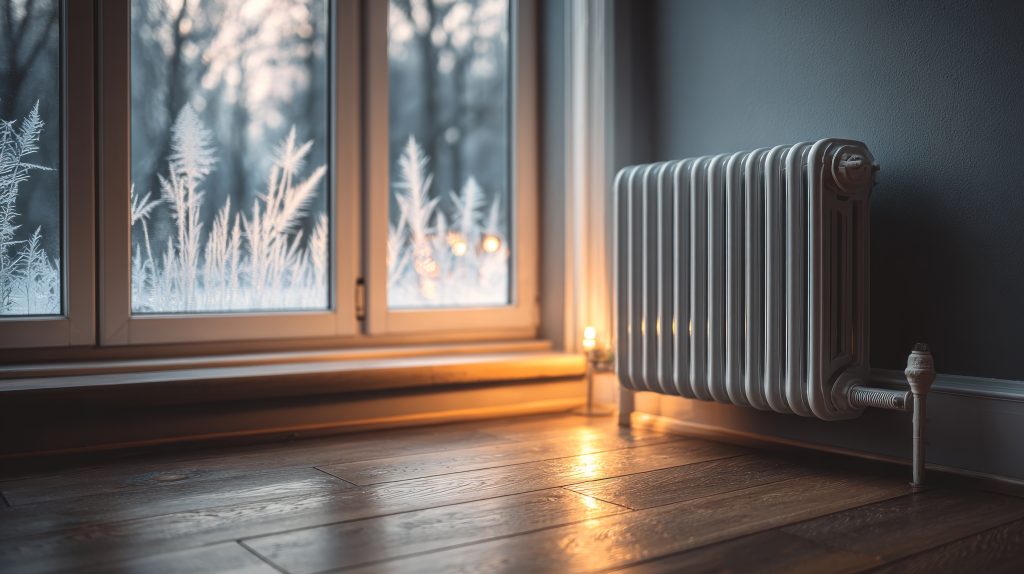
Winter in Polish climate conditions presents particular challenges for water management – both nationwide and for individual households. Due to climate change, natural water retention is not as effective as it was just a decade ago. Furthermore, low outdoor temperatures and intensive building heating make water resources vulnerable to losses. Although the heating season isn’t directly associated with water shortages, winter is a time of significant unnecessary losses in homes – often unnoticed, but significant throughout the year.
In winter, we use water differently than in summer, but the mechanisms of waste remain almost the same: leaky plumbing, inefficient appliances, household habits, and a lack of awareness of how heating affects water consumption. Below, we present how to reduce water loss in your home during the heating season, improve water efficiency, and lower your bills.
Heating Season and Water Consumption
During winter, many households use large amounts of hot water. Longer and more frequent baths to warm up after a walk in the cold, more frequent hand washing, and increased hygiene habits contribute to higher water consumption. At the same time, heating systems – especially older ones – can generate losses due to evaporation, leaks, or improper operation.
Heating indoor air causes it to dry out, prompting household members to use water more frequently, for example, by humidifying the air uncontrollably. A common practice is placing containers of water or hanging wet towels on radiators. While the intention is understandable, such practices can lead to significant losses.
Heating and Air Humidification
Dry air is one of the most noticeable effects of heating rooms in winter. Instead of ad hoc and ineffective methods, such as frequent airing with radiators on or manual humidification, it’s worth considering system solutions.
Humidifiers with controlled water consumption allow you to maintain the appropriate humidity level without excessive waste. An alternative is passive solutions, such as houseplants, which naturally increase air humidity while simultaneously improving the indoor microclimate. Spathiphyllum, commonly known as peace lily, ferns (e.g., Nephrolepis), spider plants, and dracaena are ideal for this purpose.
Airing rooms rationally is also important – short, intensive airing with radiators turned off allows for air exchange without excessive cooling of walls and unnecessary water consumption associated with heating.
Hot Water: Comfort and Savings
One of the key areas where we waste the most water in winter is the bathroom. Long, hot showers or soaking in the bathtub mean not only increased consumption of water but also the energy needed to heat it. In practice, this means a double burden on the environment.
Saving water in this area doesn’t have to mean sacrificing comfort. Installing aerators and shower heads with reduced flow can reduce water consumption by up to several dozen percent, without any noticeable difference in usage. It’s also worth paying attention to water temperature – lowering it by a few degrees shortens the heating time and reduces energy waste.
Equally crucial is the habit of turning off the water during activities that don’t require constant water flow, such as washing hair or shaving. While at first glance it may seem like just a few drops, over the course of a heating season, this translates into tens of liters of water saved.
Leaks and Breakdowns: Winter’s Silent Problem
During winter, plumbing systems are particularly vulnerable to damage. Freezing water in unheated rooms, basements, or garages can lead to micro-cracks in pipes, which, once thawed, result in constant leaks. These leaks are often difficult to notice, especially if they involve flushes, valves, or installations hidden in walls.
Regularly inspecting the technical condition of plumbing systems is one of the simplest ways to reduce losses. A dripping faucet or a leaky toilet cistern can cause the loss of up to several liters of water per hour. Over the course of a month, this translates into hundreds of liters of wasted water.
During the heating season, it’s also worth protecting plumbing systems from frost by properly insulating pipes and maintaining a minimum temperature in the rooms where water pipelines run.
Kitchen and Laundry: Daily Choices Matter
In winter, we spend more time at home, which often means more cooking and washing up. A dishwasher, when used correctly, is usually more economical than washing dishes by hand under running water. However, it’s crucial to run it only when it’s fully loaded and to use eco-friendly programs.
The same applies to laundry – modern washing machines offer programs adapted to smaller loads and lower temperatures. Washing at 30-40°C is sufficient in most cases and significantly reduces water and energy consumption.
Winter Water Saving as a Part of Drought Control
Although drought is most often associated with summer, its causes and effects are year-round. Every liter of water saved in winter makes a real contribution to protecting water resources, which in Poland are among the smallest in Europe.
Conscious water use during the heating season is not only a matter of environmental protection but also of economic and social responsibility. Lower consumption means lower bills, less strain on the water infrastructure, and greater resilience to periods of shortage.
Winter does not absolve us of responsibility for water. On the contrary – the heating season is a time when unnecessary losses can easily occur due to daily habits, malfunctions, and lack of awareness. Efficient use of hot water, care for installations, effective air humidification, and thoughtful use of household appliances are simple actions that each of us can take.
